
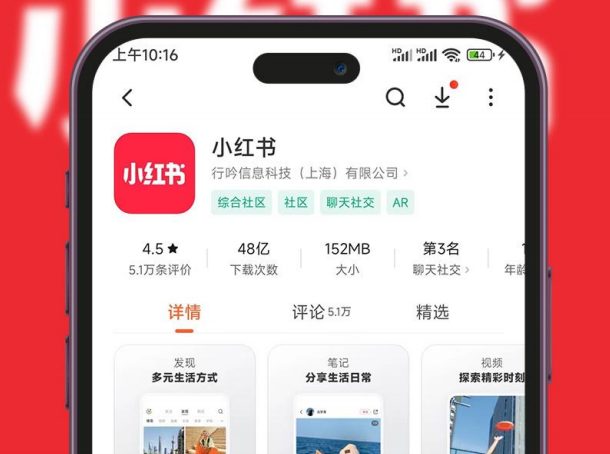
The best time to post on Xiaohongshu falls in two daily peaks in China Standard Time (UTC+8): weekday evenings from roughly 7:00 PM to 10:30 PM, when users scroll before bed, and the weekday lunch break between 11:30 AM and 1:30 PM. Weekend late mornings, around 9:00 AM to 11:00 AM, make a strong third window. For international brands, the main rule is to schedule everything in China time, not your home time zone.
Xiaohongshu (also called RED, RedNote, or Little Red Book) is a Chinese lifestyle and social commerce platform with over 300 million monthly active users, where people search for product recommendations, reviews, and inspiration for travel, beauty, and fashion. Its audience skews young and predominantly female, which shapes both what performs and when. Because its feed rewards early engagement, when you publish shapes how far a note (the platform term for a post) travels. Below are the windows that matter, who they reach, and how to find your own peak instead of borrowing someone else’s.
The best times to post on Xiaohongshu, ranked by window
Weekday evenings: 7:00 PM to 10:30 PM (CST)
This is the strongest general window. Users have finished work or dinner and settle into long, relaxed scrolling and searching. It suits considered content such as detailed product reviews, tutorials, buying guides, and longer photo carousels people actually read. If you can only pick one slot per day, publish here.
Weekday lunch break: 11:30 AM to 1:30 PM (CST)
A shorter, sharper spike driven by office workers browsing on a break. Attention is quick and mobile, so lead with a strong cover image and a clear hook in the first line. This window works best for lighter, scannable notes: a single striking visual, short tips, or a product teaser rather than dense long-form.
Weekend late mornings: 9:00 AM to 11:00 AM (CST)
Weekend rhythms shift later and slower. People wake up, browse in bed, and plan the day, which favors aspirational and planning content: travel, dining, outfit ideas, and lifestyle inspiration. Engagement tends to spread across a wider part of the day than on weekdays.
Weekend afternoons and evenings
Activity stays healthy through Saturday and Sunday but is less concentrated than a weekday evening peak. Treat this as a secondary window, useful for a second post or for reaching users in a leisurely, discovery-minded mood.
Which window fits which goal
| Window (CST) | Best for | Content that fits |
|---|---|---|
| Weekday 7:00-10:30 PM | Maximum reach and saves | Reviews, tutorials, guides, long carousels |
| Weekday 11:30 AM-1:30 PM | Quick engagement spikes | Single strong visuals, short tips, teasers |
| Weekend 9:00-11:00 AM | Aspirational discovery | Travel, lifestyle, outfit and dining ideas |
| Weekend afternoon/evening | Secondary reach | Casual, browse-friendly notes |
Why you must use China Standard Time
Your audience is in China, so a note published at 8:00 PM in New York lands after midnight in Beijing, well past the evening peak. Convert every target slot to CST (UTC+8) before scheduling. As a shortcut, China is 12 or 13 hours ahead of US Eastern Time depending on daylight saving, and 6 or 7 hours ahead of Central European Time (7 in winter, 6 during European summer time). If your team works remotely, use a scheduling tool that lets you set the publish time in Beijing time directly rather than doing the math by hand each time.
Content type changes the calculus
Timing interacts with format. Video notes and long image carousels reward the evening window, where users have patience for depth. Quick, visually punchy single-image notes perform well at lunch, when browsing is fast. Search-driven, evergreen content, such as buying guides that people look up long after publishing, depends less on the posting hour because discovery happens through search and tags over weeks rather than in the first hour of feed distribution. Search is central to how the platform is used — a large majority of monthly active users run searches on Xiaohongshu — so for those notes, consistency and keyword-rich captions matter more than hitting an exact minute.
How to find your own best time to post
Published windows are a starting point, not a rule. Your specific audience, sorted by category, city tier, and age, may peak slightly differently. Run a structured test:
- Pick three candidate slots from the windows above (for example, weekday lunch, weekday evening, and weekend morning).
- Post comparable content in each slot for at least two to three weeks, keeping format and quality consistent so timing is the main variable.
- Track first-hour engagement, saves (a heavily weighted signal on Xiaohongshu), and total reach per slot using the platform data available on a business or professional account.
- Compare results, keep the two strongest windows, and retest quarterly, since behavior shifts with seasons and platform changes.
Prioritize saves and comments over raw likes. Xiaohongshu’s distribution favors notes that earn meaningful interaction early, so a slot that produces fewer but deeper engagements often beats one with more passive likes. You need a professional account to see the analytics that make this comparison possible. Setup requirements for overseas businesses vary, so confirm the current process for your entity type before you rely on the data.
Frequency and consistency
A single perfectly timed post will not carry an account. The platform rewards steady, sustained publishing, so a cadence you can maintain beats an ambitious one you abandon. Anchor your schedule to one reliable peak window, publish consistently within it, and add a second window only once the first is producing dependable results. Avoid clustering several notes into the same hour, which splits your own audience against itself.
Frequently asked questions
What is the single best time to post on Xiaohongshu?
For most brands, weekday evenings between 7:00 PM and 10:30 PM China Standard Time deliver the widest reach, because users are relaxed and scrolling for longer sessions. Treat it as your default and check it against your own account data.
Does the best posting time differ on weekends?
Yes. Weekend activity starts later and spreads across the day, with late mornings around 9:00 AM to 11:00 AM performing well for aspirational and lifestyle content. Weekday peaks are sharper and more predictable.
Do I need to post in China Standard Time if my team is overseas?
Yes. Xiaohongshu’s users are in China, so plan all timing in CST (UTC+8). Schedule publishing to hit Beijing-time peaks regardless of where your team sits.
How many times a day should I post?
Consistency matters more than volume. One well-timed, high-quality note per day within a proven window is a strong baseline. Scale up only when your analytics show the added posts are earning saves and reach rather than diluting them.
Turn timing into a strategy
Knowing the peak windows is the easy part. Building a Xiaohongshu presence that turns browsing into sales takes a content plan matched to Chinese consumer behavior, a compliant business account, and consistent execution in the right time zone. If you are entering the China market or scaling an existing account, Up2china can help with market entry consulting, cross-border e-commerce management, and social media management for platforms like Xiaohongshu, so your next post lands when your audience is actually watching.
This guide reflects general Xiaohongshu user behavior patterns and should be checked against your own account analytics. Platform rules and account setup requirements for overseas businesses change and vary by entity type, so confirm the current process before you rely on it.