
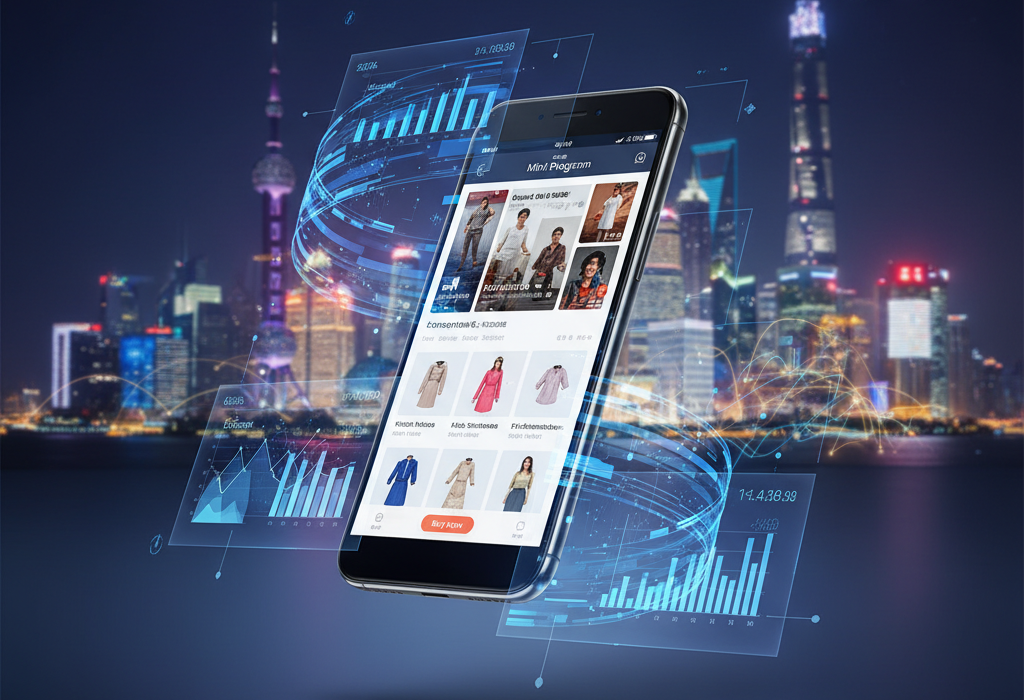
Chinese social media management means building, running, and monitoring a brand’s presence across China’s platforms — Xiaohongshu, Douyin, WeChat, Weibo — instead of Instagram, Facebook, or X. Those Western platforms are blocked in mainland China. Hence, any brand entering the market has to learn a new set of tools, algorithms, and user expectations from scratch.
Teams used to running everything from a single Meta Business Suite dashboard usually find this jarring. No single platform in China covers the whole job. Brands typically run four or five channels at once, and each one does something different in the customer journey — awareness, discovery, community, retention.
If you’re new to this space, our China Social Media Marketing: A Guide for Global Brands goes deeper into the platform landscape. This article sticks to the basics you need before getting into tactics.
Why Chinese Social Media Doesn’t Work Like Western Social Media
Three structural differences catch most brands off guard the first time they enter China.
Different Platforms, Different Jobs
Each major Chinese platform has a specific role rather than trying to do everything:
- Xiaohongshu (RED) works like a mix of Pinterest and Amazon reviews — people go there to research products before buying.
- Douyin is China’s short-video giant and the domestic equivalent of TikTok, built heavily around livestream commerce.
- WeChat is a closed ecosystem that combines messaging, mini-programs, official accounts, and payments.
- Weibo still matters for real-time public conversation, PR moments, and celebrity buzz.
You can’t just pick one platform and expect it to cover the whole funnel. This division of labor is a big part of why “just post on social media” doesn’t translate directly from Western strategy.
Content Consumption Habits Are Different
Chinese consumers tend to research more before buying than shoppers in many Western markets, often checking several sources—KOL reviews, user-generated notes, livestream demos—before deciding. Trust comes more from peer validation, like KOC content and genuine-looking user posts, than from polished brand advertising alone.
The Regulatory and Technical Environment
Working in China means operating under local data rules, content moderation requirements, and platform-specific compliance obligations. Foreign brands usually need a local business entity, or a partner that has one, to run paid campaigns, open verified accounts, or process payments through something like WeChat Pay. That’s a meaningfully different setup than opening a Facebook Business account from anywhere in the world.
The Core Components of Chinese Social Media Management
Running a brand’s presence in China generally involves a handful of ongoing tasks, no matter which platforms you focus on:
- Account setup and verification — getting official, verified accounts on the relevant platforms, which often means providing business licensing documentation.
- Content strategy and localization — adapting messaging, visuals, and tone for Chinese audiences instead of translating existing Western content.
- Community and customer engagement — replying to comments, direct messages, and reviews quickly, since response speed affects trust on several platforms.
- Performance monitoring — tracking engagement, follower growth, and conversions with platform-native analytics tools.
- Compliance and risk management — keeping up with content rules and platform policy changes, which can shift without much warning.
None of this requires paid advertising to get off the ground — organic community-building and content publishing are legitimate first steps, which is why this guide stays at the strategic level rather than getting into paid tactics.
How This Differs From “Using” vs. “Advertising On” Chinese Social Media
Two questions get conflated a lot, and it’s worth separating them:
- Using Chinese social media means setting up accounts, publishing content, and engaging with followers organically.
- Advertising on Chinese social media means paid placements, boosted content, KOL partnerships, and performance campaigns built on top of that organic base.
Most brands need both, but they call for different skills, budgets, and timelines. A solid organic presence — regular posting, real engagement, a credible verified account — is what makes paid advertising work better down the line. Jumping straight into paid spend without an established account often wastes budget, since Chinese consumers tend to check a brand’s existing content and follower engagement before trusting a promoted post.
Why This Matters for Brands Entering China
China’s e-commerce and social media ecosystems are tied together much more tightly than they typically are in Western markets. A product note on Xiaohongshu can send someone straight to a marketplace search the same day; a livestream on Douyin often has a checkout link built right into the stream. Social media management in China isn’t a side function that sits next to e-commerce — it’s often the main layer where discovery and trust happen, and it can determine whether a product sells at all.
That’s also why picking the right platforms matters so much. If you’re figuring out where your products should actually sell once social content generates interest, our Chinese Marketplace Guide: Top Platforms for Brands is worth reading next. For brands weighing Xiaohongshu’s specific role in that discovery process, see Xiaohongshu for International Brands: The Complete 2026 Guide.
Common Misconceptions Worth Clearing Up
“I can just repurpose my Instagram content.” Chinese audiences respond to different formats, pacing, and cultural references. Direct translations without localization tend to underperform.
“One platform is enough.” Since platforms each serve a different function in the customer journey, relying on just one usually leaves a gap somewhere — discovery, trust-building, or conversion.
“Social media management and paid advertising are the same thing.” They overlap but aren’t the same. Organic management is the ongoing operational work; advertising is a budgeted activity layered on top.
“I don’t need a local entity to get started.” Depending on the platform and the activity, foreign brands often need local business registration or a partner entity to get full functionality—particularly for verified accounts and payment processing.
Where to Go From Here
Understanding the landscape is the first step. Once the platform roles, content expectations, and compliance basics here make sense, the next questions tend to be tactical — which platforms to prioritize, how to build a content calendar, how to budget for paid promotion.
For brands ready to look at the bigger marketing picture beyond social channels, China Marketing: A Practical Guide for Global Brands covers how social fits alongside search, marketplaces, and other digital channels. And if trust-building is a specific concern — a common one for brands new to China — Building Brand Trust with Authentic Chinese Experience addresses that directly.
This article deliberately leaves out specific advertising strategies and step-by-step setup instructions — that’s a deeper topic covered separately once the foundational picture is in place.
FAQ
What is Chinese social media management?
It’s the ongoing process of building, operating, and monitoring a brand’s presence across China’s platform ecosystem — including Xiaohongshu, Douyin, WeChat, and Weibo — since Western platforms like Instagram and Facebook are blocked in mainland China.
How is Chinese social media different from Western platforms?
Chinese platforms each serve a specialized function rather than acting as all-in-one hubs; consumers rely heavily on peer reviews and KOL content before purchasing; and brands must navigate local compliance and business registration requirements.
Do I need a local business entity to use Chinese social media?
For many activities — including verified accounts, paid advertising, and payment processing — foreign brands typically need a local entity or a partner with one, depending on the platform and specific functionality required.
Is Chinese social media management the same as advertising on Chinese social media?
No. Social media management refers to the organic, ongoing operational work of running accounts and engaging audiences, while advertising involves paid placements and campaigns built on top of that foundation.
Which Chinese platform should I start with?
It depends on your product and goals — Xiaohongshu suits product discovery and research, Douyin suits short-video and livestream commerce, and WeChat suits long-term customer retention. Most brands eventually need a presence across more than one.