Contact Us

Category: Blogs

  • Affordable Luxury: China’s Growing Middle Market

    Affordable Luxury: China’s Growing Middle Market

    China’s luxury market has long been associated with high-end fashion houses, premium beauty products, and status-driven consumption. But a shift is underway: the rise of affordable luxury. Positioned between mass-market and high-end luxury, this segment is gaining momentum as middle-class consumers seek products that balance quality, aspiration, and accessibility.

    For international brands, this middle ground offers vast opportunities to connect with a new generation of Chinese shoppers who want “premium experiences” without prohibitive price tags.

    Several factors are fueling the rise of affordable luxury in China:

    China’s middle-income population now exceeds 400 million and continues to grow. These consumers have disposable income but are cautious about overspending, especially in the current economic climate.

    Consumers are more rational and selective. They no longer equate “high price” with “high value,” instead focusing on design, craftsmanship, and brand identity.

    Affordable luxury enables younger consumers to access premium experiences that signal taste and individuality without requiring ultra-luxury spending.

    Platforms like Xiaohongshu, Douyin, and WeChat make affordable luxury more visible, allowing consumers to explore brands beyond traditional luxury flagships.

    Unlike the status-driven luxury buyers of the past, today’s consumers prioritize experience, authenticity, and personal relevance. Affordable luxury fits perfectly with this shift:

    • It provides a sense of exclusivity without financial strain.
    • It emphasizes brand story and emotional connection over logos.
    • It integrates seamlessly into lifestyle and self-expression.

    This trend is especially visible in categories such as fashion, beauty, and lifestyle, where consumers seek quality and design without the ultra-luxury price tag.

    Positioning Matters
    Success in this segment requires clarity: not mass-market, not ultra-luxury, but aspirational with value.

    Storytelling and Emotional Branding


    Consumers want brands that align with identity and lifestyle. International brands must localize storytelling for cultural resonance.

    Omnichannel Presence
    Affordable luxury thrives in both digital and offline spaces. A presence on Douyin or Xiaohongshu is just as critical as selective offline retail.

    Entry-Level Products as Gateways


    Iconic, accessible products can serve as a stepping stone, introducing consumers to a brand before they trade up to higher-value items.

    Affordable luxury is not just a trend—it reflects a deeper shift in China’s consumer culture. The growing middle market values quality, individuality, and attainable aspiration. For global brands, the opportunity lies in bridging prestige with accessibility, and heritage with modern relevance.

    Those who adapt quickly to this middle ground will not only expand their consumer base but also build long-term loyalty in China’s evolving market.

  • Innovation Meets Tradition in China

    Innovation Meets Tradition in China

    China’s market is a place where 5,000 years of culture meet cutting-edge innovation. For global brands, thriving here means more than digital tactics—it requires balancing respect for tradition with creative, modern experiences. Consumers expect brands to honor cultural values while offering fresh, engaging, and convenient experiences that fit their fast-paced lifestyles.

    Chinese consumers deeply value festivals, symbolism, and heritage. The Lunar New Year alone generates over $150 billion in spending, much of it tied to traditional gifts, colors, and family-centered rituals. Other festivals such as Mid-Autumn, Dragon Boat, and Qixi also drive significant seasonal sales, with millions of consumers participating in gifting and special purchases.

    Brands that tap into these cultural anchors build trust and emotional connection. Even younger consumers, highly engaged with social media and digital platforms, appreciate products that carry authentic cultural meaning. For instance, limited-edition packaging, zodiac motifs, or artisanal collaborations can create strong resonance without feeling forced.

    At the same time, China is one of the world’s most technologically advanced consumer markets. From cashless payments and mini programs to AI-driven recommendations and live commerce, consumers adopt new solutions rapidly. Shopping festivals like Singles’ Day (Double 11) and 618 highlight how platforms transform traditional commerce into modern rituals layered on culture, combining entertainment, gamification, and social sharing.

    Innovation is not just a novelty—it reshapes expectations, shortens purchase decision cycles, and amplifies reach. Brands that integrate digital experiences with cultural moments can capture attention and build engagement far more effectively than purely offline or static campaigns.

    The most successful campaigns blend cultural relevance with modern tools:

    Starbucks Mooncakes: a Western brand embracing Mid-Autumn traditions, leveraging seasonal storytelling and social buzz.
    Louis Vuitton Zodiac Collection: luxury meets Chinese astrology, creating exclusivity while resonating with cultural pride.
    Alibaba’s AR Red Packets: Reinventing Lunar New Year gifting with gamification and immersive digital experiences.

    By fusing cultural values with innovation, brands create experiences that are both familiar and exciting, offering consumers a sense of participation, novelty, and authenticity.

    Research cultural drivers: Identify traditions and rituals that naturally align with your brand’s identity.
    Modernize rituals: Use AR, mini programs, or gamified apps to refresh familiar customs and create shareable experiences.
    Build emotional storytelling: Don’t just sell products—embed your brand in moments of cultural significance, creating memorable touchpoints.
    Plan for long-term engagement: Sustainable success comes from cultural sensitivity, consistent presence, and evolving campaigns, not only short-term sales spikes.
    Measure engagement beyond sales: Track shares, participation, user-generated content, and repeat interactions to understand brand resonance and cultural impact.

    To thrive in China, brands must move beyond digital tactics alone. True success comes from embracing tradition while delivering innovation, creating products and campaigns that respect heritage yet excite modern consumers. In China’s market, culture is the foundation, innovation is the key, and the brands that combine both will earn lasting relevance, trust, and growth.

  • Search to Social: Winning in China’s Digital Market

    Search to Social: Winning in China’s Digital Market

    China’s digital market is one of the largest in the world, with over 1.1 billion internet users and mobile penetration exceeding 99%. For international brands, opportunities are huge, but success requires understanding local behaviors and integrating search and social strategies.

    Chinese consumers use search engines to research products, social platforms for recommendations, and short video/live streaming for discovery. Key platforms include Baidu, WeChat, Douyin, Kuaishou, and Bilibili. Localized strategies are essential—simply translating content is not enough.

    SEO is critical for visibility. Brands should focus on Baidu and 360 Search, identify high-intent keywords in Chinese, and produce culturally relevant content. Strong SEO builds trust: studies show that Chinese consumers often associate high search rankings with brand credibility.

    WeChat offers official accounts, mini programs, and groups for engagement, loyalty, and repeat purchases. Platforms like Douyin and Kuaishou drive discovery and influence buying decisions through short videos, live streams, and influencer content. Social channels are crucial for brand storytelling and trust-building.

    Brands succeed when search traffic and social engagement complement each other. For example, search captures intent-driven consumers, while social builds awareness and trust. Leading brands like Dyson, Philips, and L’Occitane combine these channels to convert visitors into loyal customers.

    • Localize content for both search and social; translation alone isn’t enough.
    • Optimize WeChat mini programs for smooth user experience and repeat sales.
    • Use short video platforms for awareness, engagement, and live promotions.
    • Track key metrics: search traffic, conversion rates, engagement, and retention.
    • Combine campaigns across channels for maximum visibility and impact.

    Winning in China requires a holistic digital strategy that connects search and social. By leveraging localized SEO, social engagement, and mini programs, international brands can build trust, engage consumers, and achieve sustainable growth in one of the world’s most dynamic markets.

  • New Merchants’ Fast Track to Million-Level Sales

    New Merchants’ Fast Track to Million-Level Sales

    In China’s e-commerce market, the biggest challenge for new merchants isn’t “can I open a store?”—it’s “can I grow fast enough to stand out?” As major shopping festivals approach, more and more new merchants are leveraging platform support mechanisms to reach million-level sales in just a few months. Behind this success, there are three key growth pathways worth noting.

    The first three months often determine whether a new store survives. Merchants who can break the “zero-sales barrier” first are the ones who gain a head start on the growth curve.

    Leverage smart promotion tools to reach your target audience quickly
    Use coupons and subsidies to lower conversion costs for early customers
    Participate in platform campaigns to increase exposure

    The key to a successful cold start isn’t throwing money at the problem—it’s using the platform’s ready-made resources to put your products in front of the right people.

    Once past the cold start, the most effective growth path is to create a single product that can reach a million in sales.

    Social and affiliate promotion: Amplify reach using content and distributor networks
    Price and subsidy mechanisms: Boost sales quickly through discounts, flash deals, or vouchers
    New customer perks: Improve first-time conversions and quickly build word-of-mouth

    A breakout product not only generates sales but also helps accumulate repeat purchases and brand recognition, becoming the engine for overall store growth.

    When merchants start achieving results, the platform often provides additional traffic and financial incentives. Reinvesting these resources creates a “snowball effect”:

    In today’s e-commerce environment, a new merchant’s success is no longer a matter of luck—it follows a clear growth logic:

    Seize the cold-start window
    Build your breakout product
    Leverage platform incentives to create a growth loop

    Merchants who make the most of these opportunities in Q3 are far more likely to stand out during year-end shopping festivals.

  • The Booming Sleep Economy in China

    The Booming Sleep Economy in China

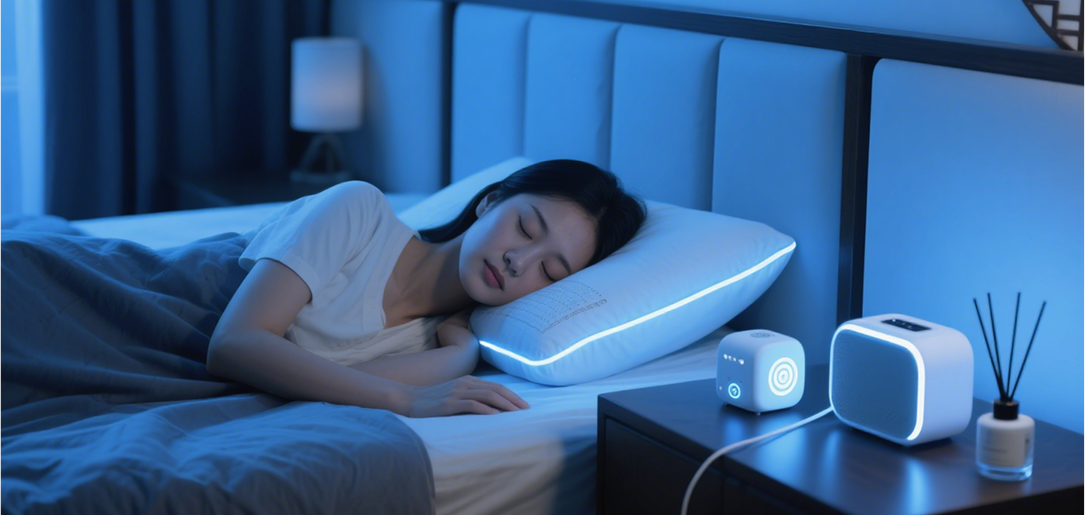
    China’s sleep economy is expanding at an unprecedented pace. With increasing awareness of sleep health, products ranging from eye masks and earplugs to sleep sprays and aromatherapy devices are in high demand. Market data shows that categories such as weighted eye masks and other functional sleep accessories are experiencing growth rates of 40% or more, reflecting a broader shift in consumer behavior towards sleep improvement. Younger consumers, urban professionals, and high-stress populations are driving this surge, seeking both practical solutions and lifestyle-oriented sleep products.

    Weighted eye masks illustrate how a single product type can gain rapid traction. Originating from overseas, these masks use micro-weighted beads to provide gentle pressure around the eyes, promoting relaxation and better sleep. In China, sales of weighted eye masks have doubled year-on-year during major e-commerce events, with some brands generating millions in annual revenue from this product alone.

    Key factors behind their success include:
    Material and comfort innovation: Silk, cotton, cooling fibers, and ergonomic designs enhance usability.
    Functional differentiation: Noise reduction, antimicrobial properties, and pressure distribution improve perceived effectiveness.
    Lifestyle integration: Customized designs, illustrations, and scents appeal to consumer emotions and create brand affinity.

    This case reflects a broader trend: consumers are increasingly receptive to specialized, high-value sleep products that combine functionality and lifestyle appeal.

    Beyond weighted eye masks, the sleep category is witnessing innovation across multiple product lines:

    Eye masks: From basic polyester to silk, cotton, and functional cooling fibers.
    Earplugs: Enhanced materials and ergonomic designs for comfort and noise reduction.
    Sleep aids: Sprays, aromatherapy diffusers, and functional beverages aimed at relaxation.

    Brands are differentiating through quality, functionality, and design, moving beyond traditional sleep products to create integrated sleep experiences. Multi-sensor designs, improved materials, and emotional engagement features are becoming standard in new product development.

    Success in the Chinese sleep category depends not only on product quality but also on strategic marketing and channel management. Key observations include:

    E-commerce-first approach: Brands prioritize online channels, using major platforms for direct-to-consumer sales.
    Content-led marketing: Social media platforms like Douyin and Xiaohongshu are essential for product education, lifestyle positioning, and community engagement.
    Targeted promotions: Seasonal campaigns, flash sales, and platform-supported incentives accelerate adoption, particularly for new entrants.

    These strategies allow brands to educate consumers while building awareness and credibility in a rapidly evolving market.

    The sleep economy in China is poised for continued expansion. As consumer awareness and willingness to invest in high-quality sleep products grow, the category will see more product diversification. Functional innovations and premium options will cater to increasingly specific needs.

    Products are also integrating comfort, health, and emotional value, creating a lifestyle-oriented experience. Both domestic and international brands have room to scale, particularly through e-commerce and digital marketing channels. Weighted eye masks exemplify how specialized products can capture attention, but opportunities exist across the entire sleep-enhancing solutions category.

  • The Rise of China’s “Silver Economy”: A New Frontier for Global Brands

    The Rise of China’s “Silver Economy”: A New Frontier for Global Brands

    Gone are the days when older generations were viewed as passive spenders. Today’s Chinese seniors exhibit unique consumption behaviors:

    Financially empowered
    Many have pensions, property, and savings, giving them solid purchasing power.

    Digitally active
    WeChat, Douyin, and even cross-border e-commerce are no longer the exclusive domains of the young. Seniors are learning fast and increasingly shopping online.

    Health and quality focused
    Products tied to wellness, nutrition, and safe living environments rank high on their shopping lists.

    Family-oriented
    They often spend not only for themselves but also for children and grandchildren, expanding their influence on household consumption.

    This shift redefines the way brands must approach the market: seniors are not a “niche”—they are becoming a mainstream driver of consumption.

    Several industries are particularly well-positioned to benefit from silver economy growth:

    Nutrition & Supplements
    Joint health, cardiovascular support, sleep aids, and immune-boosting products.

    Healthcare & Smart Devices
    Home care services, wearable monitors, and fall-detection technologies.

    Age-friendly Smart Homes
    Voice-controlled devices, adaptive appliances, and connected safety tools.

    Lifestyle & Leisure
    Travel, cultural hobbies, tea, and music-related products.

    Fashion & Beauty
    Gentle skincare, silver-hair cosmetics, and age-positive beauty solutions.

    Each of these categories is still underdeveloped compared to the scale of the demand. For international brands, entering early means securing credibility and loyalty before the market becomes overcrowded.

    Opportunities

    Trust in foreign products: Chinese consumers often perceive imported healthcare and nutrition brands as higher quality and safer.
    Early-stage innovation: In areas like senior-focused wearables and age-friendly design, international expertise offers a competitive edge.

    Challenges
    Pricing dynamics: While seniors have strong spending power, they remain value-conscious and will compare prices carefully.
    Localization needs: Products must adapt to Chinese tastes, dietary habits, and cultural nuances.
    Channel complexity: Seniors are active not only on Tmall and JD, but increasingly on Douyin, WeChat mini-programs, and community commerce.

    China’s silver economy is no longer a niche, but a major force shaping the future of consumption. With hundreds of millions of seniors driving demand, this market offers global brands both scale and long-term stability.

    To succeed, brands must go beyond product quality—adapting to Chinese lifestyles, building trust, and choosing the right digital platforms. Seniors are health-focused, family-oriented, and increasingly active online, making them a powerful yet distinct consumer group.

    The silver economy is not a short-term trend. Brands that move early and invest in localization will be well-positioned to capture lasting growth in this rapidly expanding market.

  • How Niche Brands Break Out in the Chinese Market

    How Niche Brands Break Out in the Chinese Market

    Chinese consumers, particularly Gen Z and the younger millennial generation, are no longer satisfied with mainstream products that serve everyone. Instead, they are eager to express individual identity through what they buy. A perfume that tells a story, a protein snack that connects to fitness culture, or a skincare line that speaks to sensitive skin concerns—all of these can resonate more deeply than yet another big-brand campaign.

    This shift has given niche brands a golden opportunity. Small is no longer seen as a weakness; it is often interpreted as authentic, exclusive, and culturally interesting.

    In China, platforms act as accelerators for niche brands. Xiaohongshu is where early adopters discover and share hidden gems. Douyin’s algorithm makes it possible for a little-known brand to go viral overnight. WeChat allows brands to nurture communities with high trust and loyalty. Even cross-border platforms like Tmall Global give international niche players a foothold by signaling credibility.

    In other words, niche brands don’t need billboard campaigns or nationwide TV ads to stand out. The digital ecosystem itself creates space for them to connect with the right audience.

    Looking at recent breakout cases, a few patterns emerge:

    Community over scale
    Instead of chasing everyone, they focus on building tight-knit groups of loyal followers.

    Speed and agility
    They launch new products quickly, test consumer reactions, and adapt faster than big companies.

    Cultural localization
    They speak the language of Chinese digital culture—festivals, memes, and local storytelling.

    Value through content
    They don’t just sell; they educate, inspire, and create curiosity

    These approaches make consumers feel that the brand “gets them,” something that large corporations often struggle to achieve. Yet sustaining momentum requires more than visibility—brands need the right operational backbone and cultural adaptation to grow beyond the first wave of attention.

    China is often described as the world’s toughest market, but it’s also one of the most rewarding for brands that can find their voice. For niche players, success comes not from outspending the giants, but from resonating with the right people, in the right spaces, at the right time.

    Breaking out is less about size and more about connection. And in today’s China, connection is exactly what consumers are craving.

  • Navigating the Rise of AI-Generated Influencers in China’s Marketing Space

    Navigating the Rise of AI-Generated Influencers in China’s Marketing Space

    1. 24/7 Availability and Consistency

    • AI influencers never tire, never need days off, and can maintain a consistent brand image at all times.
    • This is especially valuable for live commerce, where peak traffic hours can be unpredictable.

     2. Cost Efficiency
    • Hiring top-tier human influencers can be expensive, with costs increasing as follower counts rise.
    • AI characters require upfront production investment but can be reused and scaled without ongoing appearance fees.

    3. Creative Control
    • Brands have full control over the influencer’s appearance, tone, and storyline.
    • This reduces the risks of brand misalignment or PR issues often associated with human influencers.

    4. Tech-Savvy Audience Engagement
    • China’s Gen Z and Gen Alpha consumers are highly receptive to digital avatars, gamification, and virtual events.
    • AI influencers fit naturally into this ecosystem, especially in gaming, beauty, and lifestyle niches.

    E-Commerce Live Streaming
    AI hosts run product demos, answer pre-set FAQs, and guide viewers to purchase links on platforms like Taobao Live or Douyin.

    Virtual Brand Ambassadors
    Some brands have created their own AI mascots to act as spokespeople across campaigns, customer service chats, and social content.

    Interactive Storytelling
    AI influencers can star in serialized short videos or narrative-driven posts, building long-term audience engagement.

    Hybrid Campaigns
    Combining AI influencers with human KOLs to create novelty and cross-audience appeal.

    Authenticity Concerns
    While AI influencers can be engaging, some audiences still value the perceived “realness” of human endorsements.

    Technical Quality
    Poorly executed AI models can feel uncanny or inauthentic, which may harm brand perception.

    Regulatory Compliance
    China’s advertising laws and influencer guidelines still apply, even to virtual personalities. Brands must ensure transparency.

    Audience Fit
    Not all target demographics are equally open to AI-generated figures; younger, digitally native audiences are generally more receptive.

    1. Integrate, Don’t Isolate
    Blend AI influencers into a broader content strategy rather than using them as a gimmick.

    2. Invest in Storytelling
    Give the AI character a personality, backstory, and consistent voice to deepen engagement.

    3. Leverage Data
    Use platform analytics to refine scripts, expressions, and campaign timing for maximum impact.

    4. Test Across Platforms
    AI influencers may perform differently on Douyin, Xiaohongshu, Bilibili, or WeChat — adapt accordingly.

    The rise of AI-generated influencers in China reflects the market’s constant push for innovation, efficiency, and personalization. While they won’t fully replace human influencers anytime soon, they offer a powerful new option for brands willing to experiment and adapt.
     
    For companies entering or expanding in China, now is the time to explore how AI-driven personalities can fit into your marketing mix — not as a novelty, but as a scalable, data-informed engagement tool.

  • Decoding the Rise of the “She Economy” in China’s E-Commerce Sector

    Decoding the Rise of the “She Economy” in China’s E-Commerce Sector

    To succeed in China’s She Economy, brands must go beyond gender-based marketing and embrace deep segmentation. Here are four high-potential female consumer archetypes:

    “Professional Self-Investors”
    Urban, white-collar women focused on career growth, mental well-being, and personal upgrades (education, skincare, biohacking).
    Best entry points: Functional wellness, premium nutrition, business-casual fashion.

     “Emotional Aesthetes”
    Young women who seek aesthetic pleasure, emotional healing, and lifestyle rituals.
    Best entry points: Fragrances, designer stationery, handmade goods, boutique skincare.

      “Smart Moms”
    Millennial or Gen-Z moms who prioritize both functionality and parenting philosophy.
    Best entry points: Organic baby products, mom-friendly supplements, educational toys.

    “Conscious Minimalists”
    Highly educated consumers aligned with sustainability, clean beauty, and ethical consumption.
    Best entry points: Refillable beauty, eco-lifestyle, cruelty-free wellness.

    Each persona has distinct triggers and platform preferences. Blanket messaging no longer works — precision storytelling is essential.

    In China’s unique platform ecosystem, different female groups cluster on different platforms, each shaped by content formats and community logic:

    Xiaohongshu (RED):
    The go-to for lifestyle inspiration and female-centric storytelling. High trust, high conversion. Essential for building emotional value and brand tone of voice.

    Douyin (TikTok China):
    Ideal for driving awareness and real-time conversion. Visual storytelling is key. Suitable for trend-driven or impulse-buy categories like makeup, accessories, or wellness snacks.

    Tmall Global:
    The platform for structured brand-building and premium positioning. Works best when paired with off-platform trust-building channels like RED or WeChat.

    WeChat Private Domain:
    Excellent for retention and intimacy. Women-led communities thrive in WeChat groups and official accounts with curated, educational, or emotionally resonant content.

    Understanding where and how female consumers interact with content allows brands to shape a more nuanced and effective multi-channel strategy.

    In the She Economy, emotional value equals commercial value. Brands that succeed are those that:

    • Align ith women’s life transitions: first job, marriage, motherhood, menopause, reinvention.

    • Tap into cultural identities and aspirations: “独立女性” (independent woman), “精致生活”(refined living), “悦已主义”(self-pleasing consumption).

    • Build resonant rituals and micro-narratives: not just selling a product, but becoming part of her daily life story.

    Localization goes beyond translation — it’s about co-creating meaning with your audience. That’s how global brands like L’Oréal, YSL Beauty, and local players like Perfect Diary have carved out emotional niches in the market.

    To tap into China’s She Economy, consider the following steps:
    • Start with micro-segmentation. Choose a specific female persona that aligns with your product’s core value.
    • Create multi-platform, emotionally intelligent content. Use RED for storytelling, Douyin for visual conversion, and Tmall for structured commerce.
    • Prioritize emotional localization. Local KOCs and female creators are not just media channels — they are cultural translators.
    • Build community, not just audience. Create loyalty through value-added content, private domain operations, and consistent brand tone.
    • Track lifecycle moments. Map your offerings to milestones like graduation, job entry, pregnancy, or self-care rituals.

    The She Economy in China signals a shift from mass marketing to micro-targeting, from functional value to emotional connection. Success lies in understanding diverse female identities, mapping products to real life stages, and crafting content that resonates across platforms.

    In this evolving landscape, it’s not just about reaching women — it’s about mattering to them.

  • Building Brand IP in China

    Building Brand IP in China

    Many international brands still treat China as a transactional market: selling SKUs, not stories. But in a landscape where local DTC brands are building fandoms and media-like content ecosystems, this approach often falls flat.


    Common missteps include:

    • Over-relying on product value without emotional context
    • Copying Western campaigns without local adaptation
    • Lacking consistency across platforms and touchpoints
    • Missing out on strategic collaborations or narrative arcs
    To succeed, global brands must think like cultural creators, not just exporters of goods.

    Building Brand IP is a long game — but it starts with clarity and creativity. Here are five foundational elements:

    Persona or Spirit (“Brand Soul”)
    What kind of personality does your brand embody? Is it gentle and wise, bold and rebellious, cute and healing? This tone defines how consumers relate to you — not just what they buy from you.

    Signature Storyline
    Consumers remember narratives, not features. Build storylines that reflect personal transformation, lifestyle rituals, or cultural values (e.g., “healing after a breakup,” “me-time skincare,” “wellness as empowerment”).

    Recognizable Visual System
    From packaging to social media layouts, visual consistency builds familiarity. Some brands even create recurring characters or illustrations to act as emotional anchors.

    Collaboration & Co-Creation
    IP thrives when extended through partnerships — with artists, anime, games, or local cultural symbols. These not only amplify reach but deepen cultural relevance.

    Community and Rituals
    IP lives in the community. Build moments your audience can anticipate and participate in — product drops, festival rituals, storytelling campaigns, or user-generated content themes.

    Fenty Beauty: Translates global boldness into “self-pleasing” for Gen Z girls through RED storytelling, music-infused content, and confidence-led narratives.
    Sulwhasoo: Blends traditional Eastern aesthetics with contemporary visual IP, using floral motifs and calligraphy to reinforce its cultural value.
    Perfect Diary: Local brand, but a benchmark: co-creates IP with animals, museums, and even Chinese zodiac signs, turning products into collectable pieces.
    These brands succeed not just through product quality, but through consistent, emotional brand universes that evolve with their audience.

    • Define your emotional core. What do you want Chinese consumers to feel when they think of your brand?
    • Create a repeatable visual and narrative system. Use brand elements that can travel across formats — from Douyin short videos to packaging to RED posts.
    • Build campaigns like story arcs. Treat product launches as episodes in an ongoing narrative, not isolated promotions.
    • Partner strategically. Find cultural or creative partners who can localize your brand meaningfully.
    • Listen to your audience. Great IP evolves through community feedback — pay attention to what symbols, slogans, or moments fans are emotionally attaching to.

    In China’s content-rich, emotionally driven market, building Brand IP is no longer optional — it’s a core strategy for sustainable growth. The brands that win hearts aren’t necessarily the ones with the biggest budgets, but those with the clearest voice, the richest stories, and the boldest cultural imagination.