Contact Us

Category: Blogs

  • Business in China: Trends and Challenges for Companies

    Business in China: Trends and Challenges for Companies

    China offers immense business opportunities as one of the world’s largest economies. However, navigating the market requires a deep understanding of the current trends and challenges. This article explores critical aspects of doing business in China, focusing on marketing in China and the broader business environment.

    Trends in Business in China

    Digital Transformation and E-commerce

    The digital landscape in China is evolving rapidly, with e-commerce playing a pivotal role. Platforms like Alibaba’s Tmall, JD.com, and Pinduoduo dominate the market. Businesses must adapt to this digital shift by enhancing their online presence and leveraging digital marketing strategies. China’s marketing relies heavily on social media and influencer marketing, particularly on platforms like WeChat, Weibo, and Douyin (TikTok).

    Green and Sustainable Business Practices

    Sustainability is becoming a crucial factor for business in China. Consumers are increasingly conscious of environmental issues, driving companies to adopt green practices. Government policies promoting sustainable development also influence this trend. Businesses that align their strategies with sustainability can gain a competitive edge in the market.

    Innovation and Technology

    China is at the forefront of technological innovation, with significant investments in AI, robotics, and biotech. Companies looking to succeed must embrace innovation and integrate advanced technologies into their operations. The focus on innovation extends to marketing in China, where data-driven strategies and AI-powered tools are becoming essential.

    Challenges in Business in China

    Regulatory Environment

    Navigating the regulatory landscape is one of the most significant challenges for business in China. The regulatory environment is complex and constantly evolving, requiring companies to stay updated on laws and regulations. Compliance with data protection laws like the Personal Information Protection Law (PIPL) is particularly critical for online businesses.

    Cultural Differences

    Understanding and respecting Chinese business culture is vital for success. Business practices and consumer behavior in China can differ significantly from those in Western markets. For instance, building relationships (guanxi) and demonstrating respect are fundamental aspects of Chinese business culture. Companies must tailor their strategies to align with local customs and preferences.

    Competition and Market Saturation

    The Chinese market is highly competitive, with local and international players vying for market share. This competition can be fierce, particularly in technology, consumer goods, and e-commerce sectors. To stand out in China, comapnies must differentiate themselves through unique value propositions and effective marketing.

    Effective Marketing Strategies in China

    Localized Marketing Campaigns

    Localization is critical to successful marketing in China. Campaigns should be tailored to reflect local language, culture, and consumer preferences. This includes using local influencers, known as Key Opinion Leaders (KOLs), to authentically connect with the target audience.

    Leveraging Data and Analytics

    Data-driven marketing is essential for understanding consumer behavior and optimizing campaigns. Big data and analytics tools can provide valuable insights into market trends and consumer preferences. This approach enables businesses to create more targeted and effective marketing strategies.

    Omni-channel Approach

    An omnichannel strategy integrating online and offline touchpoints can enhance customer experience and drive sales. This approach is critical in China’s business, where consumers often research products online before purchasing them in physical stores.

    Conclusion

    Successfully navigating business in China requires a thorough understanding of current trends and challenges. By embracing digital transformation, sustainable practices, and technological innovation, companies can tap into the vast potential of the Chinese market. However, they must also be mindful of the regulatory environment, cultural differences, and intense competition. Effective marketing in China involves localization, leveraging data, and adopting an omni-channel approach. By addressing these factors, companies can achieve sustained growth and success in one of the world’s most dynamic markets. Contact us!


  • Unlocking the Power of China’s Brand Management: A Guide

    Unlocking the Power of China’s Brand Management: A Guide

    As the world’s second-largest economy and a global leader in technological innovation, China offers a vast, dynamic market for businesses looking to build a strong brand presence. Effective brand management in China requires a deep understanding of the unique cultural, economic, and digital landscape. This guide will help you unlock the power of brand management in China and navigate the complexities of Chinese online brand management.

    Understanding the Chinese Market

    Cultural Sensitivity and Localization

    China is not a homogeneous market; instead, it is a mosaic of cultures, languages, and traditions. The success of brand management in China lies in how much localization you can bring to a brand while still respecting local culture and tastes. That requires:

    • Language: Use Simplified Chinese in mainland China and, where necessary, adapt the text into regional dialects.
    • Cultural Nuances: Use culturally relevant symbols, colors, and themes in your branding materials.
    • Local Influencers: Partner with local influencers—KOLs who speak to your target audience.

    Digital Ecosystem

    China’s digital environment is dominated by locally grown platforms like WeChat, Weibo, Digate, and Douyin (TikTok). They open up special opportunities in Chinese online brand management:

    • WeChat: With over a billion monthly active users, WeChat is essential for brand communication, customer service, and e-commerce.
    • Weibo: As a leading social media platform, Weibo is ideal for brand awareness campaigns and real-time engagement.
    • Douyin: This short-video platform is perfect for creative, engaging content that captures the attention of younger audiences.
    • Digate:  Digate is a business intelligence platform that aggregates & enriches eCommerce data from the Chinese marketplace, social platforms, and logistics services.

    Building a Strong Online Presence

    E-commerce Integration

    Chinese e-commerce is exploding; Tmall, JD.com, and Pinduoduo are leading the charge. All of the brands that go into these environments sit at the same level:

    • Brand Stores: Setting up official branded stores on major e-commerce websites increases credibility and allows better control over the customer experience.
    • Live Stream: Go live with products and engage consumers in real time to drive sales.

    Content Marketing

    Content is king in Chinese online brand management. A good Chinese online brand management strategy would begin with robust content strategy development, covering:

    • Informational content: Add some educational articles, videos, and infographics to teach customers about your products and industry.
    • User-generated content: Encourage satisfied customers to share experiences and reviews that echo the brand message, increasing its reach and credibility.
    • Build interactive content: run quizzes, polls, and games—that can help collect valuable data on consumer preferences.

    Leveraging Data and Analytics

    Consumer Insights

    Effective brand management in China requires data-driven decision-making. Leverage advanced analytics to uncover hidden insights regarding consumer behaviors, preferences, and trends:

    • Social Listening: Keep scanning your social media platforms for brand and competitor mentions to help derive consumer sentiment and emerging trends.
    • Customer Feedback: Build on feedback from multiple touchpoints to continually improve products and services.

    Personalization

    Personalization can help establish strong customer relationships in China. Use data to customize your marketing:

    • Targeted Campaigns: Gain the ability to segment your target audience based on demographics, behavior, and preferences for more relevant content and offers.
    • Loyalty Programs: Establish programs that reward repeat customers and encourage brand advocacy.

    Navigating Regulatory and Ethical Considerations

    Compliance

    China’s regulatory environment is stringent, especially concerning data privacy and advertising standards. Ensure compliance with local laws and regulations to avoid penalties and build consumer trust:

    • Data protection: Comply with China’s laws on personal data protection, particularly the PIPL.
    • Advertising Standards: Follow advertising standards to ensure advertisements are truthful, appropriate, and not deceptive.

    Ethical Marketing

    Chinese consumers are becoming more aware of corporations’ ethical issues in the marketplace. Chinese consumers are becoming more sensitive to companies’ ethical considerations. Acquire a reputation for integrity by:

    • Transparency: Be open about your business, formulas, and ingredient sources.
    • CSR: Engage in Corporate Social Responsibility to express concern for society and the environment.

    Conclusion

    Effective brand management in China depends on executing a culturally sensitive, comprehensive approach. Understanding the unique dynamics of the Chinese marketplace, building an effective online presence, leveraging data and analytics, and adhering to regulatory and ethical standards are cornerstones of establishing a resilient and influential brand in a fast-changing landscape. Embrace the opportunities of Chinese online brand management, and your brand will be ready to thrive in one of the world’s most exciting markets.

    For more insights and strategies on brand management in China, visit UP2China.

  • Understanding Data Localization Requirements in China

    Understanding Data Localization Requirements in China

    In today’s globalized economy, data flows seamlessly across borders, driving business operations and innovation. However, countries like China have instituted stringent data localization requirements to protect national security and privacy. For businesses operating in or engaging with China, understanding these requirements is crucial for compliance and successful data management. This blog delves into the intricacies of data localization in China, focusing on the impact of data management in China and data analytics.

    What is Data Localization?

    Data localization refers to a country’s requirement within its law that data regarding citizens or residents be collected, processed, and stored within its borders. In essence, such requirements are put in place for the protection of national security, personal data, and the provision for regulatory oversight. In the instance of China, data localization laws emerge as part of broader cybersecurity and data protection measures.

    China’s Regulatory Landscape

    The core law governing China’s data localization requirements is the Cybersecurity Law, which came into effect in June 2017. It requires operators of critical information infrastructures to store domestically any personal information and important data that is collected or generated within China. Additionally, the Data Security Law and the Personal Information Protection Law stress the provisions for data localization and restrict cross-border data transfer.

    Implications for Data Management in China

    • Data Storage and Processing: Any firm in China must ensure that personal data and other key information are kept and processed within Chinese territory. Setting up local data centers or using local cloud service providers may be necessary.
    • Data Transfers: Personal information transfer outside China shall undergo security evaluation and review by relevant government authorities. Enterprises must be prepared to demonstrate the necessity of the transfer and ensure adequate security protection measures.
    • Compliance and Audits: Compliance with data localization requirements needs to be regularly audited. The company should maintain full documentation of all acts related to the processing of personal data and always be prepared for governmental inspections.
    • Data Breach Response: In case of a data breach, companies should report to the Chinese authorities immediately. Localization of a strategy ensures swiftness and compliance locally.

    Challenges and Solutions

    • Infrastructure Costs: Setting up a local data center is certainly expensive. Companies can help minimize these costs by forming partnerships with local cloud service providers that adhere to Chinese regulations.
    • Complex Regulatory Environment: China’s regulatory environment could be challenging to navigate. Engaging local legal and compliance experts could help a business understand the proper measures to implement them.
    • Data Security Concerns: The security of the data is one of the major concerns locally. Robust measures in cybersecurity, with periodic audits, can prove very helpful in maintaining data integrity and confidentiality.

    Impact on Data Analytics in China

    Data localization has huge implications for data analytics. Companies must, therefore, adjust their strategies in data analytics to remain compliant with Chinese regulations but still derive valuable insights. Here’s how data analytics is affected:

    • Data Availability: Since data is to be kept locally, there could be a deficiency in getting access to a global dataset in terms of business. The local capability for collecting data and processing has to be enhanced for complete analytics of data.
    • Cross-Border Analytics: Due to the transfer restrictions, cross-border data analytics becomes complex. It forces businesses to devise mechanisms for analyzing data locally in China while looking to integrate insights with global operations without breaching the regulations.
    • Analytics Compliance: Analytics tools and platforms used in-country must be compliant on a case-to-case basis with the local regulations. The compliance factor overlays with elements such as data privacy, measures of security, and approvals procured for data processing.
    • Innovation and Adaptation: Despite the regulatory challenges, data localization can become an extremely effective driver of innovation. Companies will need to develop local solutions in data analytics adapted to the Chinese market based on know-how and technology developed locally.

    Best Practices for Compliance

    • Comprehend Local Laws: Stay abreast of the latest legislation in China regarding data localization. Regularly revisit and update the organization’s data management policies to ensure compliance with the laws.
    • Local Partnerships: This can be integrated with local service providers and legal experts aware of the regulatory landscape. This might make compliance less hazardous from a cost- and operational perspective.
    • Data Governance: Establish solid data governance frameworks in compliance with Chinese regulations. These frameworks will help in maintaining data classification, access controls, and regular audits.
    • Invest in technology: Take advantage of advanced data management and analytic tools with features that ensure compliance, such as encryption, anonymization, and secure data transfer, among others.
    • Training and Awareness: Inform your staff about requirements for data localization and compliance protocols. This will possibly reduce risks and ensure companies are within the set requirements through periodic training.

    Conclusion

    Data localization requirements will therefore have to be an integral part of the ability of a company to operate in China. This will require the ability of companies to comply with strict regulations by knowing the regulatory landscape and having in place a strong data management and analytics strategy that will allow them to leverage the data for growth and innovation. This means that in such a complex environment of regulation, adaptation, and local partnership are important; therefore, data management and data analytics in China represent a challenge but at the same time, an opportunity.

    Knowing and meeting these requirements can help businesses avoid legal pitfalls but also enhance their reputation level, engendering trust with Chinese consumers. In such a fast-changing environment of data regulations, being proactive and knowledgeable of the latest developments is always the best approach for success.Contact us

  • How To Start An E-Commerce Business In China

    How To Start An E-Commerce Business In China

    Starting an e-commerce business in China presents a significant opportunity due to the country’s massive consumer base and rapidly growing online market. However, navigating this landscape requires a deep understanding of local practices, regulations, and consumer behavior. Working with a reputable e-commerce agency can significantly enhance your chances of success. This guide provides critical steps and considerations for launching your e-commerce venture in China, emphasizing the roles of Chinese e-commerce agencies and the benefits of choosing the best e-commerce marketing in China.

    Understanding the Market

    Research the E-Commerce Landscape

    China’s e-commerce market is highly competitive and dynamic, with platforms like Alibaba’s Tmall, JD.com, and Pinduoduo leading the way. Understanding these platforms and their user demographics is crucial. A China e-commerce agency can provide insights into the market, helping you identify opportunities and tailor your strategy accordingly.

    Know Your Target Audience

    Understanding the preferences and behaviors of Chinese consumers is essential. They value convenience, authenticity, and quality. Leveraging local knowledge through an e-commerce agency can help you craft a marketing approach that resonates with your target audience.

    Setting Up Your E-Commerce Infrastructure

    Choose the Right Platform

    Selecting the appropriate e-commerce platform is vital for reaching your target audience. Working with an e-commerce agency can help determine whether Tmall, JD.com, or another platform best suits your product and business model.

    Ensure Compliance with Regulations

    Navigating China’s regulatory environment can be complex. From business licenses to product certifications, ensuring compliance is critical. The best e-commerce agency can guide you through the regulatory requirements, helping you avoid legal pitfalls.

    Developing Your Brand and Marketing Strategy

    Localize Your Branding

    Adapting your brand to fit the local culture is crucial. This includes everything from product packaging to advertising campaigns. An e-commerce agency can assist in localizing your brand to appeal to Chinese consumers, considering cultural nuances and preferences.

    Implement Effective Marketing Tactics

    Effective marketing is critical to standing out in China’s crowded e-commerce market. Utilizing social media platforms like WeChat and Weibo, influencer marketing, and live streaming can drive engagement and sales. The best e-commerce marketing agency involves a multi-channel approach that leverages these tools to maximize reach and impact.

    Leveraging Data and Analytics

    Use Data to Drive Decisions

    Data analytics is essential for understanding consumer behavior and optimizing your marketing strategies. An e-commerce agency can provide advanced analytics services, helping you make data-driven decisions that enhance your business performance.

    Monitor and Adapt

    The e-commerce landscape is continually evolving in China. Regularly monitoring your performance and adapting your strategies is vital for sustained success. Partnering with the best e-commerce agency ensures you stay ahead of market trends and adjust your tactics as needed.

    Building Strong Partnerships

    Collaborate with Local Partners

    Partnerships with local businesses can provide valuable insights and facilitate smoother market entry. These partnerships can range from logistics providers to local influencers who can help promote your brand.

    Work with a Reputable E-Commerce Agency

    Choosing the right e-commerce agency is one of your most important decisions. The best e-commerce marketing strategy is crafted by agencies that provide end-to-end services—ranging from in-depth market research and strategic planning to seamless execution and detailed analytics.

    Conclusion

    Starting an e-commerce business in China offers immense potential but requires a strategic approach and local expertise, which are essential for doing business in China. By understanding the market, setting up a robust infrastructure, developing a localized marketing strategy, leveraging data, and building strong partnerships, you can position your business for success. Collaborating with a top-tier e-commerce agency ensures you have the support and knowledge to navigate this complex but rewarding market. Embrace these strategies, and you’ll be well on your way to achieving e-commerce excellence in China.

    Contact Us for more information on E-commerce business in China.

  • Cultural Considerations: Doing Business in China in 2024

    Cultural Considerations: Doing Business in China in 2024

    Navigating the intricate landscape of business in China requires a deep understanding of local customs, traditions, and business etiquette. As the world’s second-largest economy continues to evolve, foreign enterprises must be well-versed in cultural nuances to successfully engage in marketing in China and establish a strong foothold in this dynamic market.

    Understanding Chinese Business Culture

    Importance of Guanxi (Relationships)

    One of the most crucial aspects of doing business in China is the concept of “guanxi,” which refers to the network of relationships that facilitate business transactions and social interactions. Building strong personal relationships is often more important than formal contracts. Trust and mutual respect are the bedrock of these relationships, which can significantly impact business success.

    Respect for Hierarchy

    Chinese business culture places a high value on hierarchy and respect for authority. Decision-making processes can be slower, as decisions often need to be approved by senior management. Understanding and respecting this hierarchical structure is essential for foreign businesses looking to operate smoothly in China.

    Emphasis on Face (Mianzi)

    The concept of “face” (mianzi) is deeply ingrained in Chinese society. It refers to a person’s reputation and social standing. In a business context, maintaining face involves showing respect, avoiding public criticism, and ensuring that interactions do not cause embarrassment. Protecting face is crucial for building and maintaining business relationships in China.

    Effective Marketing in China

    Localized Marketing Strategies

    Marketing in China requires a tailored approach that resonates with local consumers. This includes understanding cultural preferences, language nuances, and local trends. Foreign companies should consider partnering with a China marketing agency to develop localized campaigns that effectively communicate their brand’s value proposition to Chinese consumers.

    Leveraging Digital Platforms

    China’s digital landscape is unique, with platforms like WeChat, Weibo, and Douyin (TikTok) dominating the social media space. Successful marketing in China involves leveraging these platforms to engage with consumers through targeted content, influencer collaborations, and interactive campaigns. A deep understanding of the digital ecosystem is essential for maximizing reach and engagement.

    Navigating Regulatory Environment

    The regulatory environment in China can be complex and ever-changing. Businesses must stay informed about local regulations, including data privacy laws, advertising standards, and e-commerce guidelines. Working with a China marketing agency can help navigate these regulations and ensure compliance while optimizing marketing strategies.

    Building a Successful Business in China

    Adaptability and Flexibility

    The Chinese market is dynamic and rapidly evolving. Foreign businesses must be adaptable and flexible to respond to changing market conditions and consumer preferences. This involves continuously monitoring market trends, gathering consumer insights, and adjusting strategies accordingly.

    Emphasizing Quality and Authenticity

    Chinese consumers are increasingly discerning and value quality and authenticity in the products they purchase. For foreign brands, demonstrating a commitment to quality and authenticity can help build trust and loyalty. Transparent business practices, high-quality products, and excellent customer service are key to success in the Chinese market.

    Collaborative Partnerships

    Forming strategic partnerships with local companies can provide valuable insights and facilitate market entry. These partnerships can help navigate the cultural and regulatory landscape, offering a competitive advantage. Collaboration with a China marketing agency can also enhance marketing efforts, ensuring they are culturally relevant and effective.

    Conclusion

    Successfully doing business in China in 2024 requires a deep understanding of cultural nuances and local market dynamics. By building strong relationships, respecting hierarchy, and maintaining face, foreign businesses can navigate the complex Chinese business culture. Effective marketing in China involves localized strategies, leveraging digital platforms, and staying compliant with regulations. Adaptability, quality, and collaborative partnerships are key to thriving in the Chinese market. Embracing these cultural considerations will help businesses unlock the vast potential of the Chinese market and achieve sustained growth. Contact Us

  • Leveraging Data Analytics for Market Insights in China

    Leveraging Data Analytics for Market Insights in China

    Success in today’s dynamic business environment demands a data-driven approach to decision-making. Nowhere is that more important than in China, which represents a rapidly growing market where technology changes as rapidly as unique consumption habits. Data analytics in China  helps enterprises gain insights from the market to drive strategic decisions and fuel business growth. The next section reflects on how companies should effectively Apply management data in China to outperform their rivals.

    Understanding Data Management in China

    Effective data management is the backbone of any successful data analytics. Businesses in China will hence have to consider robust data management practices that can guarantee data integrity, security, and compliance in the wake of the country’s prompt technological development and strict regulatory frameworks.

    Key Aspects of Data Management in China:

    Regulatory Compliance: It is indispensable to keep up with local laws regarding data protection and adhere to them. Regulatory compliance should be the first in line, including the PIPL. It is not just about mitigating legal penalties; it is an inseparable part of consumer trust.

    Data Quality: Proper analyses can be led only by accurate data. Stringent policies for data governance must be set to ensure high quality in terms of exact collection and its nature being full and reliable.

    Technology Integration: Advanced technologies, such as cloud computing, artificial intelligence, and machine learning, can be integrated to optimize data management capabilities in processing and analyzing huge extensive data.

    Harnessing Data Analytics in China

    It is the science of making raw data meaningful to businesses as they try to understand market trends, consumer behavior, and competitive dynamic changes. This would enable marketing in China, where significant volumes of digital interactions are going on, to get a meaningful analysis of their rich data source.

    Applications of Data Analytics in China:

    onsumer behavior analysis: The Chinese market demonstrates or follows certain consumer preferences and behavioral traits that are important to understand. Analytics of data can project such trends, forecast future behavior, and develop marketing strategies in keeping with the consumer’s needs.

    Market trend identification: It helps businesses understand the trends in the industry ahead with the analysis of market data. This is possible to do through several means, which include tracking competitors, monitoring market dynamics, and identification of emerging opportunities.

    Personalized Marketing: By applying data analytics, businesses can create customized marketing campaigns more likely to strike a chord with individual consumers and increase the rates of engagement and conversion.

    Operational Efficiency: Analytics can make operations lean and more efficient by detecting inefficiencies and optimizing the processes, leading to cost savings and increased productivity.

    Case Study: Successful Data Analytics Implementation in China

    Now, let’s consider one of the multinational retail players operating in China. The company had been empowered to derive insights into local consumer tastes, optimize inventory management, and improve customer relationships using data analytics. It would then result in major increases in sales and customer satisfaction.

    Steps Taken:

    Data Collection: The company has sources ranging from sales transactions to social media interactions to online reviews.

    Data Integration: Advanced data management tools were used to combine data from different sources into a single customer view.

    Analysis: Various sophisticated analytics tools were run against the data to identify the key trends and patterns.

    Actionable Insights: These insights would be used in the customization of marketing campaigns, product offerings optimization, and customer service.

    Challenges and Solutions

    Despite this fact, Chinese businesses can still face several challenges in the Integration of data analytics: data privacy issues, integration problems, and special lines of expertise. Overcoming such challenges requires:

    Technology Investment: Application of the latest technologies regarding data management and analytics eases and makes the processes more efficient.

    Building Expertise: Staff with relevant sets of competence for facilitating data analytics and management are essential, whether as a hired capability or through training.

    Compliance: It makes scanning of data practices for local regulation compliance possible, helps in avoiding related legal issues, and increases trust with consumers when it is reviewed and updated regularly.

    Partnering with Up2China

    At Up2China, we specialize in helping businesses deal with the intricacies involved in data management and analytics within China. Our extensive services include:

    • Data Governance: Best Practices Concerning Data Quality and Compliance.
    • Advanced Analytics: Helping leading-edge technologies act for actionable insights.
    • Tailored Solutions: Developing solutions tailored to enhance your business processes.

    Conclusion

    The greatest benefits of using data analytics for Chinese market insights range from understanding consumer behaviors to optimizing operations. Next-generation practices in robust data management, with associated investments in advanced analytics technologies, will yield a priority competitive advantage for businesses in this dynamic market. Staying ahead of the trends and regulatory changes in the evolving landscape of data management in China is critical to sustaining success.

  • Enhancing Customer Engagement through Chinese Online Brand Management

    Enhancing Customer Engagement through Chinese Online Brand Management

    In today’s digital age, customer engagement has become a cornerstone for businesses striving to build strong relationships with their audience. For companies looking to expand their reach in China, mastering online brand management is essential. With its unique digital landscape and consumer behaviors, China presents both opportunities and challenges for brands aiming to connect with customers. Here, we’ll explore how effective brand management in China can enhance customer engagement and drive business success.

    Understanding the Chinese Digital Landscape

    The Chinese digital ecosystem is very different from that of the Western world. WeChat, Weibo, and Douyin lead the charge in social media, while Alibaba and JD.com lead in e-commerce. Gone are the days of relying on customer capture through awareness. Today’s brands must understand every platform and adjust their strategies accordingly. Chinese online brand management leverages unique channels to drive meaningful consumer engagement.

    Building a Strong Brand Presence

    Success on the ground in China starts with an online presence. Start with a relevant, localized website that speaks to the Chinese consumer. It must be in Mandarin, optimized for local search engines like Baidu, and full of content that reflects Chinese cultural values. Furthermore, active profiles on the most popular social media will do all it takes to reach a huge audience scattered globally and create a sense of belonging through community building.

    Leveraging Social Media for Engagement

    Social media is a powerful way to enhance customer engagement in China. Features within WeChat and Weibo allow brands to engage in dialogue with their audience. Consider this: WeChat mini-programs allow brands to create bespoke applications within the platform itself, delivering an integrated shopping experience for users. This also enables attention-grabbing content—live streams on Douyin, China’s version of TikTok—to drive instant audience interaction.

    Utilizing Influencer Marketing

    Influencer Marketing is yet another strong tool in Chinese Online Brand Management. Chinese consumers are swayed by recommendations from their Key Opinion Leaders, commonly referred to as KOLs. Partnering with KOLs can expand a brand’s reach and even build credibility. Brands should also select people whose values align with the brand or who are organically aligned with their followers.

    Implementing Customer Feedback Mechanisms

    Listening to customer feedback is essential to increase engagement. Customers should always be asked to review and comment on the website and the brand’s social pages. Quick responses, especially when answering negative feedback, give customers the perception that their views are taken seriously. This builds trust and provides insight into areas where the brand can improve.

    Creating Personalized Experiences

    Brand management in China needs to be highly personalized. Chinese consumers like brands to not only understand what they are interested in but also tailor their offerings, whether products or services, to fit customers. Data analytics can help uncover this consumer behavior and improve personalized marketing campaigns. Tailored content, product suggestions, and exclusive offers can significantly engage customers with the product.

    Emphasizing Quality and Authenticity

    As Chinese consumers become more sophisticated, they increasingly value quality and authenticity. Thus, the brand must ensure high product quality and authenticity in its marketing messages. A reputation for quality and authenticity can lead to long-term customer loyalty and positive word-of-mouth.

    Adapting to Trends and Innovations

    The Chinese digital landscape is always changing, and new trends and technologies keep emerging. Brands should be aware of the latest updates and ready to adjust strategies accordingly. For example, e-commerce live streaming has created new dimensions of customer engagement and sales. Brands that quickly embrace these innovations can gain an advantage.

    Conclusion

    Engaging customers in Chinese online brand management is complex and requires a deep understanding of the local digital environment. Through quality and personal care coupled with social media and influencer marketing, brands can win customers in China and register significant business success with concerted efforts. Get more insights and strategies for effective brand management in China by visiting  UP2China.

    By following these strategies, brands can not only engage their customers more effectively but also create lasting connections that foster loyalty and advocacy in the competitive Chinese market.

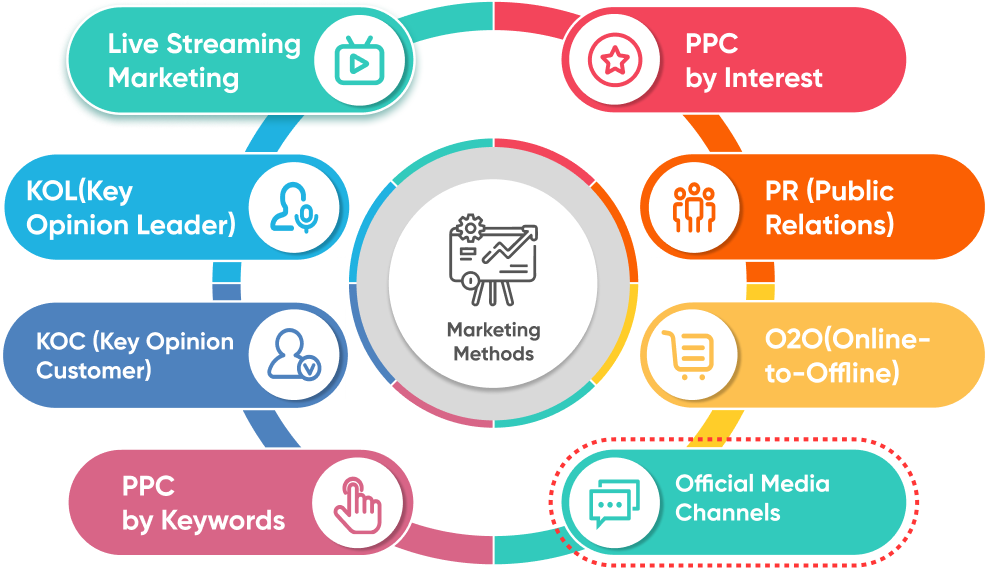
  • Marketing Methods In the Chinese Market – Official Media Channels

    Marketing Methods In the Chinese Market – Official Media Channels

    Key Value of Official Media Channels

    While the benefits are significant, it’s important for brands to carefully align their messaging with the

    tone and values of the official media channels they choose to work with. Understanding the

    audience and maintaining transparency in marketing efforts is key to maximizing the impact of

    official media channel marketing in China.

    Credibility and Authority

    Official media channels, often associated with reputable news organizations or government entities, convey a sense of credibility and authority. Associating with these channels can enhance a brand’s image and reputation.

    Government Endorsement

    Some official media channels may have government affiliations or endorsements, adding an extra layer of legitimacy to the brands featured. This endorsement can instill trust among consumers, particularly in industries where government approval is important.

    Wide Audience Reach

    Official media channels typically have a broad and diverse audience. Marketing through these channels allows brands to reach a wide spectrum of consumers, increasing visibility and exposure to potential customers.

    Cross-Platform Integration

    Many official media channels have a presence across multiple platforms, including traditional media, websites, and social media. This cross-platform integration allows brands to create a cohesive marketing strategy that reaches audiences through various channels.

    Regulatory Compliance

    Official media channels operate within regulatory frameworks, ensuring that marketing content adheres to industry standards and legal requirements. This compliance mitigates the risk of running afoul of regulations, which is crucial in the Chinese market.

    Brand Storytelling Opportunities

    Official media channels often offer opportunities for brands to share their stories in a narrative format. This can be particularly effective in creating emotional connections with the audience and conveying the brand’s values.

    Brand Safety

    Official media channels provide a brand-safe environment for marketing activities. Brands can be confident that their messaging appears in a context that aligns with their values and avoids association with inappropriate or unsafe content.

    Consumer Confidence

    Being featured in official media channels can instill confidence in consumers. The association with established and respected media outlets contributes to consumer trust, which is crucial for making purchasing decisions.

    Educational Content Opportunities

    Official media channels often feature content that educates and informs the audience. Brands can leverage these platforms to provide in-depth information about their products or industry trends, positioning themselves as experts in their field.

    Strategic Partnerships

    Collaborating with official media channels can lead to strategic partnerships and co-marketing opportunities. These partnerships can extend a brand’s reach and enhance its marketing impact.

    Main Platforms of Official Media Channels

    CCTV (China Central Television)

    As one of China’s major state-owned television networks, CCTV is a leading official media channel. Its various channels cover a wide range of topics, and advertising on CCTV provides exposure to a massive audience.

    People’s Daily

    People’s Daily is the official newspaper of the Central Committee of the Communist Party of China. It is one of the most authoritative newspapers in China, and brands often choose to advertise in People’s Daily for its influence and reach.

    Xinhua News Agency

    Xinhua is the official state-run press agency in China and one of the largest and most influential news agencies globally. Brands can leverage Xinhua for disseminating official news and announcements.

    China Daily

    China Daily is an English-language newspaper in China with a global readership. It serves as an official source of news, making it a valuable platform for brands targeting an international audience.

    Sina News

    Sina News is a prominent online news platform that covers a wide range of topics. It is widely accessed for news updates, and brands can advertise on Sina News to reach a large online audience.

  • Marketing Methods In the Chinese Market – O2O Marketing(Online-to-Offline)

    Marketing Methods In the Chinese Market – O2O Marketing(Online-to-Offline)

    Key Value of O2O Marketing(Online-to-Offline)

    Implementing effective O2O strategies requires a deep understanding of the target audience,

    technological integration, and a cohesive approach to marketing that bridges the gap between

    online and offline channels.

    Seamless Customer Journey

    O2O marketing creates a seamless transition between the online and offline worlds, allowing customers to move effortlessly from online browsing or purchasing to offline experiences, such as in-store visits or events.

    Couponing and Promotions

    O2O strategies often involve the use of digital coupons and promotions that can be redeemed in physical stores. This incentivizes online customers to visit brick-and-mortar locations, driving both online and offline sales.

    Increased Foot Traffic

    O2O strategies can drive online customers to physical brick-and-mortar stores or offline events. This helps in increasing foot traffic to physical locations, boosting brand visibility, and potentially leading to more sales.

    Enhanced Customer Loyalty

    By offering a seamless and integrated experience, O2O marketing contributes to enhanced customer loyalty. Brands can build stronger connections with customers who appreciate the convenience of transitioning between online and offline channels.

    Localized Marketing

    O2O marketing allows brands to implement localized strategies based on the geographic location of their target audience. This localization enhances the relevance of marketing efforts and connects with consumers in specific regions.

    In-Store Technology Integration

    O2O initiatives may involve integrating technology within physical stores, such as QR codes, mobile payment options, and interactive displays. This technological integration enhances the overall shopping experience for customers.

    Data Integration

    O2O marketing facilitates the integration of online and offline customer data. This integrated data can provide valuable insights into customer behavior, preferences, and interactions, enabling brands to refine their marketing strategies.

    Real-Time Engagement

    O2O marketing enables real-time engagement with customers, both online and offline. Brands can leverage real-time communication, push notifications, and location-based services to interact with customers based on their current context.

    Multi-Channel Engagement

    Brands can engage customers through multiple channels, including online platforms, mobile apps, and physical stores. This multi-channel approach enhances the overall customer experience and accommodates diverse consumer preferences.

    Measurable ROI

    O2O campaigns often provide measurable results, allowing brands to track the impact of online marketing efforts on offline sales and vice versa. This data-driven approach enables better decision-making and optimization of marketing strategies.

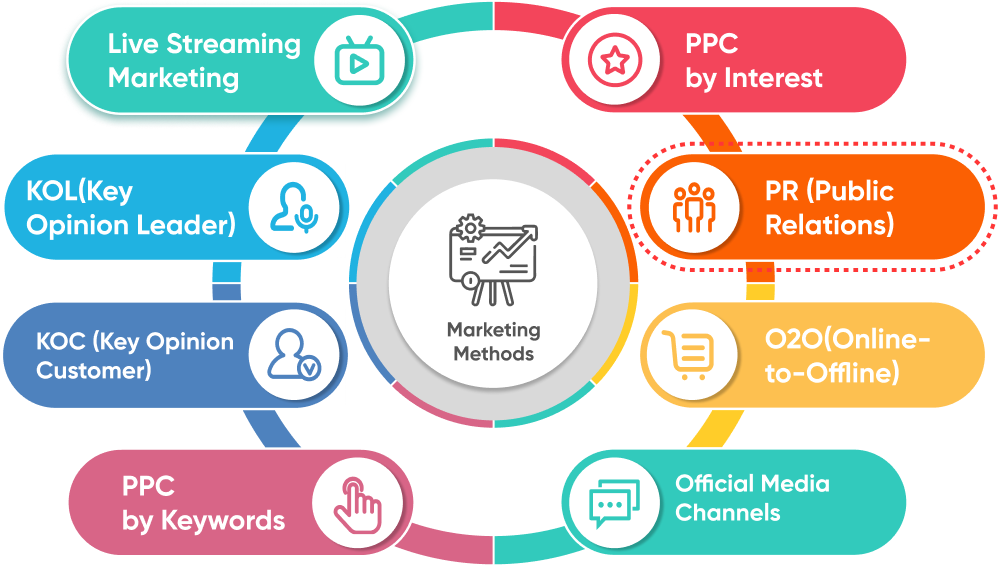
  • Marketing Methods In the Chinese Market – PR (Public Relations)

    Marketing Methods In the Chinese Market – PR (Public Relations)


    Key Value of PR (Public Relations)

    Strategic PR efforts play a crucial role in the overall marketing mix, helping brands establish a

    positive image, navigate challenges, and connect with their target audience in the competitive

    Chinese e-commerce landscape.

    Brand Credibility and Trust

    PR efforts help build and enhance brand credibility and trust among Chinese consumers. Media coverage, press releases, and strategic communication create a positive brand image.

    Social Media Amplification

    PR efforts can be integrated with social media strategies to amplify the brand’s message. Positive PR stories can be shared across popular Chinese social media platforms to engage a wider audience

    Influence on Consumer Perception

    PR activities can shape consumer perceptions by highlighting a brand’s values, achievements, and positive contributions. Well-managed PR can create a favorable image that resonates with the target audience.

    Event Management

    Organizing and participating in events can be crucial to PR marketing. Events allow brands to connect with consumers, influencers, and the media, creating memorable brand experiences.

    Market Entry Support

    For international brands entering the Chinese market, PR is a vital tool to introduce the brand, communicate its values, and establish a positive presence. PR helps in navigating cultural nuances and gaining acceptance.

    E-commerce Integration

    PR can be integrated with e-commerce strategies to drive online visibility and sales. Positive media coverage, reviews, and strategic partnerships can enhance a brand’s presence on Chinese e-commerce platforms.

    Media Relations

    A crucial PR value is establishing solid relationships with influential media outlets and critical journalists in the Chinese market. Positive media coverage can significantly enhance a brand’s visibility and reach a broader audience.

    Thought Leadership

    Establishing brand representatives as thought leaders in their industry through PR can enhance a brand’s influence. Thought leadership positions a brand as an authoritative source, gaining respect and attention.

    Crisis Management

    PR is crucial for managing crises effectively. In the event of negative publicity or issues, a well-executed PR strategy can help control the narrative, mitigate damage, and maintain a positive brand reputation.

    Government and Industry Relations

    Building positive relationships with relevant government authorities and industry influencers is crucial for brands in China. PR facilitates engagement with key stakeholders, fostering a supportive business environment.

    Market Education

    PR initiatives can educate the Chinese audience about a brand’s products, services, and unique selling propositions. This educational aspect is essential for new or innovative offerings.

    Community Engagement

    PR efforts can contribute to building a solid community around the brand. Engaging with the community through events, sponsorships, and philanthropic activities enhances brand loyalty and positive sentiment.

    Main Platforms of PR (Public Relations)

    WeChat

    WeChat is an essential platform for PR marketing in China. Its diverse features, including articles, official accounts, and Moments, provide a versatile space for brands to share press releases, announcements, and engage with their audience.

    Weibo Live

    Weibo, often referred to as China’s Twitter, is a microblogging platform where brands can share news, updates, and engage with followers. Weibo is influential in disseminating information quickly and can amplify PR messages

    Zhihu

    Zhihu is a popular Q&A platform where brands can participate in discussions, answer questions, and establish themselves as thought leaders. It’s a valuable platform for educational PR content and building credibility.

    Yizhibo

    YiZhiBo is a live streaming platform where brands can conduct live events, product launches, and interact with their audience in real-time. Live streaming is a dynamic way to deliver PR messages and engage with consumers.

    Xiaohongshu (Little Red Book)

    Xiaohongshu is a social commerce platform that combines content creation and e-commerce. It’s popular for lifestyle and product reviews. International brands can leverage Xiaohongshu for PR by collaborating with influencers and sharing stories.