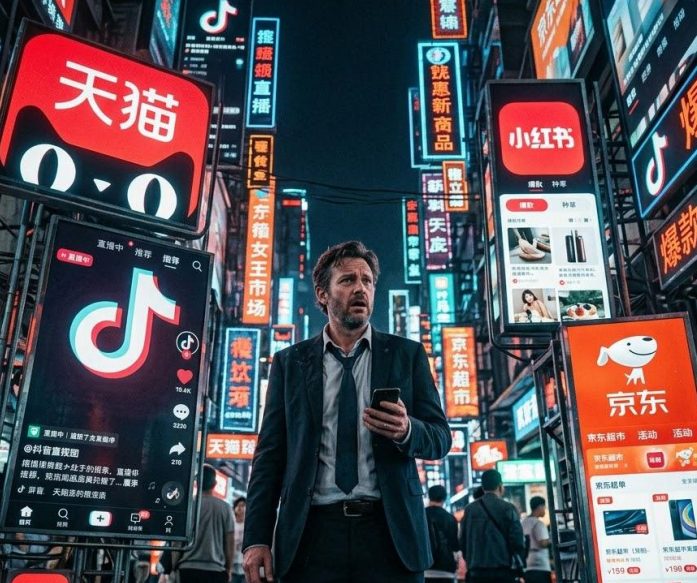
Chinese e-commerce is no longer a story about one dominant marketplace. Growth has shifted toward content-driven platforms like Douyin and Xiaohongshu, cross-border models that let brands sell without a local entity, and consumers who research on social apps before buying. For foreign brands, the useful “news” is rarely a single headline. It’s the direction of platform rules, logistics models, and where attention is moving.
This guide explains how to read that flow and turn it into decisions. It focuses on the mechanics that hold between news cycles, so you can weigh any specific announcement against how the market actually works.
Why Chinese e-commerce news moves differently
In most Western markets, retail news tracks a handful of platforms with stable rules. China changes faster because the platforms are still redefining what commerce looks like. A marketplace launch, a change to cross-border customs handling, or a new creator-commerce format can each reshape how a category sells within a single season.
Three structural forces sit underneath most coverage worth reading:
Platform competition for attention. Alibaba’s Tmall and Taobao, JD.com, PDD (Pinduoduo), Douyin (China’s TikTok, which reports more than 700 million monthly active users in China), and Xiaohongshu (RED) compete not just on price but on how discovery happens, whether through search, feed, or live video.
Cross-border policy. China’s cross-border e-commerce (CBEC) framework lets consumers buy imported goods through bonded and direct-shipping channels, often with lighter registration requirements than general trade. The channel is large and still growing: China’s total cross-border e-commerce trade reached 2.63 trillion yuan (about US$391 billion) in 2024, up 1 trillion yuan from 2020, according to the General Administration of Customs. These changes feed directly into landed cost and speed.
Consumer behavior. Chinese shoppers increasingly find products through short video and social recommendation, then buy in-app. That collapses the old gap between marketing and the point of sale.
The platforms behind the headlines
Knowing who does what makes any news item easier to read. Here is how the major players are generally positioned:
Lets brands sell to Chinese consumers from bonded or overseas warehouses without a Chinese company or local license.
JD Worldwide
Cross-border arm of JD.com
Strong in logistics and authenticity checks; appeals to shoppers wary of counterfeits.
Douyin
Short video and live commerce
Discovery and sale happen inside the content feed; demand for a product can spike from a single viral format.
Xiaohongshu (RED)
Social recommendation and reviews
Works as a search-and-review layer where purchase decisions form before a shopper ever reaches a store; the platform has grown to more than 300 million monthly active users.
Pinduoduo
Value-focused, group-buying marketplace
Reaches price-sensitive and lower-tier-city consumers many premium brands miss.
When you read that a platform is “prioritizing” cross-border, or adding a live-shopping feature, translate it into what changes for you: the cost to enter, how customers will find you, and who those customers are.
What recent shifts mean for foreign brands
Two long-running trends shape most current developments. The first is the decline of the informal daigou (personal-shopper resale) channel as official cross-border routes matured. Brands now need a legitimate storefront rather than reliance on gray-market resellers. The second is the shift from discovery to content, which rewards brands that invest in local creator relationships over those that simply list products and wait.
What this means in practice:
Entry no longer requires a Chinese entity first. Cross-border marketplaces let you test demand before committing to a domestic company, ICP filing, and general-trade registration.
Content is the storefront. A presence on Xiaohongshu or Douyin often does more for discovery than paid search alone, because that is where category research happens.
The logistics model affects how you compete. Bonded-warehouse stock inside China can ship faster than direct-from-overseas, which shapes conversion and repeat purchase.
Compliance depends on the category. Cosmetics, supplements, and food face different import and labeling rules than apparel. Requirements vary by product category and can change, so confirm current specifics with qualified counsel before committing inventory.
When a specific figure matters, such as a platform’s reported GMV, a promotional-festival sales total, or a policy effective date, treat it as something to source and verify, not assume. Numbers in this space age quickly.
How to build your own news signal
Rather than chase every headline, track a short list of triggers: changes to cross-border customs or the imported-goods eligibility list, new commerce formats on Douyin or Xiaohongshu, and major shifts in how a platform allocates traffic. Each of these can change your unit economics or your discovery strategy, which drives revenue.
Frequently Asked Questions
Can a foreign brand sell in China without a Chinese company?
Yes. Cross-border platforms such as Tmall Global and JD Worldwide are built for exactly this. Brands ship from bonded or overseas warehouses to Chinese consumers without first setting up a domestic legal entity. A local entity matters more when you scale into general-trade retail or domestic-facing platforms.
Which platform should a brand start with?
It depends on category and audience. Premium and imported goods often begin with Tmall Global or JD Worldwide for trust and cross-border logistics, while brands that live or die on discovery frequently build a presence on Xiaohongshu and Douyin at the same time. There is no single correct answer. Match the platform to where your buyers research and buy.
How current does Chinese e-commerce news need to be?
Very. Platform rules, cross-border policy details, and traffic mechanics change often enough that a claim more than a few months old should be checked against a primary source before you act on it.
Turning market signals into a strategy
Reading Chinese e-commerce news well is less about any single announcement and more about connecting platform moves, policy shifts, and consumer behavior into a plan that fits your category. If you’re weighing which channel to enter, how to structure cross-border logistics, or how to build discovery on social platforms, up2china works with international brands on market-entry strategy, cross-border store management, and social and digital marketing for China. A short consultation is a sensible next step to pressure-test your approach before you commit budget.
JD.com is China’s largest retailer by revenue—its net revenue reached about RMB1.31 trillion (US$187.2 billion) in 2025, up 13.0% from the full year of 2024—and the country’s largest self-operated online retailer. That means it buys inventory directly and sells it to consumers, rather than only hosting third-party sellers. It is best known for owning its logistics network from warehouse to doorstep, earning it a reputation for fast, reliable delivery and genuine goods. For foreign brands, JD.com is one of two main gateways into Chinese online retail, the other being Alibaba’s Tmall.
The company runs a hybrid model. There is a first-party (1P) business, where JD buys products and resells them under its own account, and a third-party (3P) marketplace, where brands and merchants sell directly to shoppers. That combination, plus warehouses and a delivery fleet it controls itself, is what separates JD.com from marketplace-only competitors. Its reach is substantial: JD has surpassed 700 million annual active customers.
Background: who owns JD.com and where it came from
JD.com was founded by Richard Liu (Liu Qiangdong) in 1998 as an offline electronics business in Beijing, and it launched its online store in 2004 before closing its physical shops to focus on e-commerce. It is publicly listed, trading on both the Nasdaq (since 2014) and the Hong Kong Stock Exchange (a secondary listing in 2020 under stock code 9618). Tencent was once a major shareholder, but in 2022 it distributed most of its JD.com holding to its own shareholders; it now holds a small stake of roughly 2.3% while remaining a strategic partner, including continued access to Tencent’s WeChat platform.
In Chinese, the company is known as Jingdong, and its marketplace is often called simply JD. It sits in the same category as Alibaba’s Tmall and Taobao: a large business-to-consumer (B2C) and consumer marketplace platform. JD built its early reputation in categories where authenticity and speed matter most, such as electronics and appliances, before expanding into groceries, apparel, cosmetics, and imported goods.
How JD.com works: key features to understand
For a foreign brand, a few structural details explain most of what makes JD.com distinct.
Self-operated (1P) retail
Under the 1P model, JD.com buys your products wholesale and becomes the seller of record. JD handles pricing, storage, and fulfillment, and consumers buy from JD rather than your own storefront. This can speed up market entry and comes with strong consumer trust, but you give up direct control over pricing and the customer relationship.
The third-party marketplace (3P)
On the marketplace side, brands run their own flagship stores, set prices, manage promotions, and own the customer relationship. This works much like the Tmall flagship-store model, and it is the route brands take when they want to control their positioning and build a direct presence.
JD Logistics
JD runs its own nationwide warehousing and last-mile delivery network instead of outsourcing entirely to third-party couriers. This is central to its same-day and next-day delivery in many cities, and it supports the company’s long-standing claim to sell authentic products.
JD Worldwide: the cross-border channel
JD Worldwide is the cross-border arm that lets overseas brands sell into China without first setting up a Chinese legal entity. Goods usually ship from abroad or from bonded warehouses under China’s cross-border e-commerce framework, which makes it easier to test the market before committing to a full domestic operation.
Authenticity and consumer trust
Because JD controls sourcing in its 1P business and runs its own logistics, shoppers tend to see its products as genuine. That matters in a market where worries about counterfeits shape buying decisions, especially in electronics, cosmetics, and imported food.
Why JD.com matters for foreign brands entering China
Choosing a platform is one of the first strategic decisions a foreign brand makes when entering China, and JD.com shifts that calculation in specific ways.
The cross-border option through JD Worldwide lets a brand start selling to Chinese consumers without the time and cost of registering a local entity, securing certain import licenses, or holding domestic inventory from day one. That lowers the risk of an initial market test.
JD’s logistics strength also helps in categories where delivery speed and product integrity drive repeat purchases. A brand selling appliances, premium electronics, or perishable imported food benefits directly from a fulfillment network built for reliability.
JD’s user base is also often described as skewing toward higher-income and male shoppers in electronics-heavy categories. Where your target consumer actually shops should drive the platform decision, rather than defaulting to the most familiar name.
Related terms readers often confuse
Several China e-commerce terms sit close to JD.com and are worth separating clearly.
Tmall: Alibaba’s B2C marketplace and JD’s largest direct competitor. Tmall is marketplace-first and does not own its logistics the way JD does.
Taobao: Alibaba’s consumer-to-consumer and small-merchant marketplace, distinct from the brand-focused Tmall.
JD Worldwide: the cross-border sub-platform of JD.com, not a separate company.
Pinduoduo: a separate group-buying and value-focused platform that competes on price rather than logistics and authenticity.
For most foreign brands, the practical distinction comes down to JD’s self-operated model backed by its own logistics versus the marketplace-centered model of Alibaba’s platforms.
Deciding whether JD.com fits your China strategy
JD.com fits brands whose appeal depends on authenticity, delivery speed, or categories where JD’s audience is concentrated. It may matter less for brands whose buyers cluster on other platforms, or whose margins can’t absorb a wholesale 1P relationship. The right answer depends on your category, margins, target consumer, and how much control you want over pricing and customer data.
If you’re weighing whether JD.com or a cross-border entry through JD Worldwide fits your China plans, our team at up2china works with foreign brands on market-entry strategy, cross-border e-commerce management, and platform selection. A short conversation is a sensible next step before you commit budget to any single channel.
Requirements vary by province and business type, so confirm with legal counsel.
Frequently Asked Questions
Is JD.com the same as Alibaba or Tmall?
No. JD.com and Alibaba are separate, competing companies. Tmall is Alibaba’s B2C marketplace. The main practical difference is that JD.com runs a large self-operated (first-party) retail business and owns its logistics network, while Alibaba’s platforms are mainly marketplaces connecting brands and shoppers.
Can a foreign brand sell on JD.com without a Chinese company?
Yes, usually through JD Worldwide, the cross-border channel that lets overseas brands sell to Chinese consumers without first setting up a domestic legal entity. Goods generally ship from abroad or from bonded warehouses under China’s cross-border e-commerce rules. Eligibility and documentation vary, so confirm the current requirements before applying.
What is the difference between JD’s 1P and 3P models?
In the 1P (first-party) model, JD buys your inventory wholesale and sells it as the retailer of record, controlling pricing and fulfillment. In the 3P (third-party) model, your brand runs its own store, sets prices, and owns the customer relationship while selling on JD’s platform. Brands usually weigh control against speed-to-market when choosing between them.
Why is JD.com known for product authenticity?
JD built its reputation partly because its self-operated business sources products directly and its own logistics network controls storage and delivery. That end-to-end control leaves fewer openings for counterfeit goods to enter the supply chain, making JD a trusted channel in categories like electronics and imported cosmetics.
Starting an e-commerce business in China means meeting a set of licensing, registration, and compliance obligations before you can legally sell goods or services to Chinese consumers online. How much applies to you depends on your model. Selling cross-border into China from abroad is lighter than setting up a domestic Chinese entity that holds inventory and invoices locally. If you plan to run a store on a Chinese platform, operate a standalone site aimed at Chinese buyers, or ship into the market at scale, the first thing to work out is which category you fall into.
This guide covers the general framework so you can plan. It is directional, not a substitute for legal advice. Rules differ by province, product category, and business structure, and they change often, so treat what follows as a map rather than a checklist you can file against.
Who needs to meet these requirements?
What applies to you depends almost entirely on your operating model. Three common scenarios cover most international brands entering China.
Cross-border sellers shipping from outside China
If you sell through a cross-border channel, for example Tmall Global (Alibaba’s platform for overseas brands to sell into China without a mainland company) or a bonded-warehouse arrangement, you generally do not need a Chinese business entity. Goods clear under cross-border e-commerce rules and ship directly to the consumer. You still face product, labeling, and platform requirements, but the local incorporation burden is lower.
Brands establishing a domestic Chinese entity
Selling as a local business, which means holding inventory in China, issuing Chinese tax invoices (fapiao), and running a domestic storefront, requires forming a legal entity, most often a Wholly Foreign-Owned Enterprise (WFOE). This path carries the fullest set of registration, licensing, and tax obligations.
Operators of an independent website targeting Chinese users
Running your own site hosted in or aimed at mainland China adds web-specific compliance, including hosting-provider content review and telecom-related filing for sites served from within the country.
Who usually does not need domestic licensing: brands that only test the market through a cross-border marketplace and let the platform handle payment settlement and customs clearance. Many companies start here precisely to avoid the heavier requirements until demand is proven.
Requirements overview
China e-commerce compliance is not a single license but a stack of category-level requirements. The specifics, including fees, processing windows, and exact document lists, vary by locality and are best confirmed with a licensed local advisor.
Business registration. A domestic model requires a registered entity (commonly a WFOE) with an approved business scope that explicitly covers e-commerce or retail activity. Registered capital expectations vary by city and industry.
E-commerce and value-added telecom permissions. Selling online in China can require an internet-related operating permit, such as an ICP filing or license, depending on whether you host a site and whether payments run through it.
Product-specific approvals. Regulated categories such as cosmetics, food and supplements, medical devices, and children’s products require category registration or filing before sale. Timelines here are often the longest part of market entry.
Labeling and Chinese-language compliance. Products generally need compliant Chinese-language labeling, ingredient or safety information, and, for some goods, mandatory certification, for example CCC certification for certain electronics.
Tax registration. A domestic entity registers for tax and issues fapiao. Cross-border sales are treated differently and typically settle through the platform or a designated agent.
Data and consumer-protection obligations. China’s data and personal-information rules apply to how you collect and handle customer data, and consumer-protection law governs returns, disclosures, and advertising claims.
The process at a high level
The sequence below is directional. Steps often overlap, and the order can shift by province and product type.
Choose your model. Decide between cross-border selling and a domestic entity. This one choice determines almost everything downstream.
Register the entity (domestic model). Reserve a company name, define an e-commerce business scope, and complete incorporation and tax registration.
Secure internet and platform permissions. Obtain any required ICP filing or license, and complete the onboarding and verification each marketplace requires, including brand authorization, trademark evidence, and category qualification.
Complete product registrations. File or register regulated products, arrange compliant Chinese labeling, and obtain mandatory certifications where they apply.
Set up logistics and payment. Arrange bonded-warehouse or direct-shipping logistics for cross-border or domestic fulfillment and fapiao issuance for a local entity.
Launch and maintain compliance. Keep filings current, watch advertising and data-handling rules, and renew permits on schedule.
Risks of non-compliance
Operating without the right permissions is not a quiet gray area in China. Platforms and regulators both enforce it. The practical consequences fall into a few buckets. Marketplaces can suspend or delist a store that lacks valid qualifications, freezing your revenue overnight and sometimes holding up pending settlements. Regulators can order corrective action, block or take down a non-compliant website, or restrict the sale of unregistered products.
Beyond formal penalties, reputational and operational risks include goods stopped at customs, listings pulled during a promotion, or a data-handling gap that erodes consumer trust. For regulated categories, selling before registration is complete is one of the most common and most costly mistakes, because fixing it can mean pulling inventory and restarting an approval that takes months. The severity of specific penalties varies by violation and jurisdiction, so treat compliance as a cost of entry rather than something to backfill later.
Important disclaimer
China’s e-commerce, telecom, data, and product-registration rules are administered at national and provincial levels and are updated regularly. Requirements vary by province and business type, and the exact fees, timelines, document lists, and approval pathways depend on your specific products, structure, and locality. Confirm with legal counsel. Before committing capital or making filings, verify the current rules with a qualified Chinese legal advisor or a licensed local partner.
Frequently asked questions
Do I need a Chinese company to sell online in China?
Not necessarily. Cross-border models such as Tmall Global let overseas brands sell into China without a mainland entity by shipping from bonded or overseas warehouses. You need a domestic entity only when you hold local inventory, issue fapiao, and operate as a Chinese business.
What is the difference between cross-border and domestic e-commerce in China?
Cross-border e-commerce clears goods under a lighter customs framework and usually requires no local company. Domestic e-commerce means you are a registered Chinese business subject to full licensing, tax, and internet-permit obligations.
Which products face extra registration in China?
Regulated categories, including cosmetics, food and health supplements, medical devices, and certain children’s and electronic products, generally require category registration, filing, or mandatory certification before they can be sold.
How long does it take to get set up?
It depends heavily on your model and product category. Product registration for regulated goods is usually the longest step. Cross-border marketplace onboarding is typically faster than forming a domestic entity.
Planning your entry into China
The regulatory picture is manageable once you know which model you are building toward and which category rules apply to your products. The costly errors happen when brands launch first and check compliance later. If you are weighing cross-border against a domestic entity, or mapping the product registrations your catalog will need, up2china offers market entry consulting and cross-border e-commerce management to help you sequence the steps and avoid delays. Reaching out early, before you commit to a model, is the best time to get oriented.
China's e-commerce market is a dynamic landscape dominated by platforms like Tmall and JD.com. As a foreign brand looking to enter this lucrative market, understanding the intricacies of these platforms is crucial for success.
Tmall: The Premium Marketplace
Tmall, operated by Alibaba, is recognized as a premium platform catering to brands that want to reach discerning Chinese consumers. It offers a robust infrastructure for brands to showcase their products, ensuring a seamless shopping experience. Brands can leverage Tmall’s extensive reach to tap into a vast audience, particularly among urban consumers aged 25-45 who prioritize quality and brand reputation.
For brands like A80PARIS, establishing a presence on Tmall can significantly enhance visibility. Utilizing Tmall’s features such as live streaming and promotional events can help in engaging potential customers effectively. For more insights on how to navigate Tmall, refer to our guide on How to Sell on Tmall: A Guide for International Brands.
JD.com: The Logistics Powerhouse
JD.com stands out for its commitment to logistics and customer service. It operates its own delivery network, ensuring faster shipping times compared to competitors. This platform is particularly appealing for brands that prioritize efficiency and reliability in their supply chain. JD.com has a strong reputation among consumers who value prompt delivery and product authenticity.
For A80PARIS, partnering with JD.com could enhance customer trust and satisfaction, especially in the high-end beauty segment. Brands can explore JD’s extensive marketing tools to promote their products effectively. For a comprehensive overview of selling on JD.com, check out our article on How to Sell on JD.com: A Guide for Foreign Brands.
Tmall Global: Expanding Beyond Borders
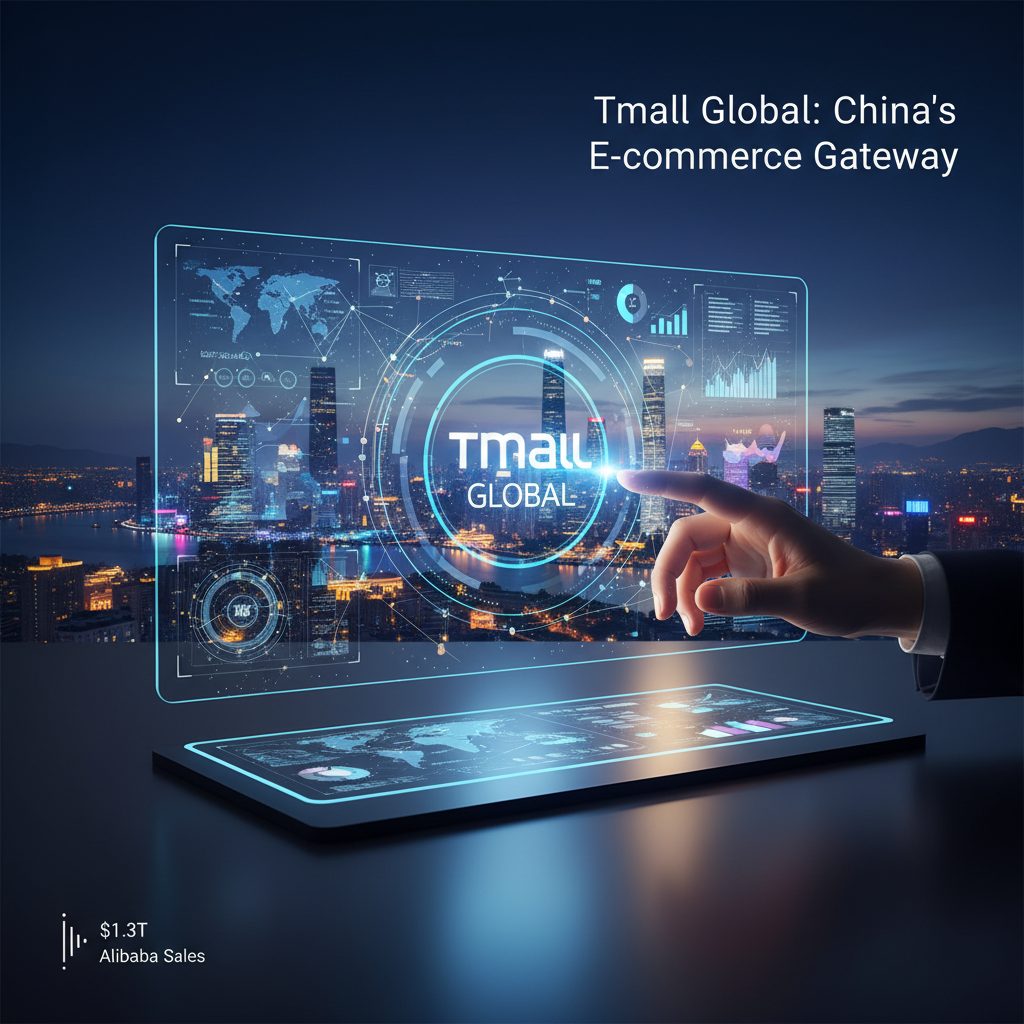
For brands aiming to reach Chinese consumers without a local presence, Tmall Global offers a solution. This platform allows international brands to sell directly to Chinese consumers while maintaining their overseas operations. It is an ideal entry point for brands like A80PARIS, which can leverage Tmall Global to introduce their innovative hair care products to the Chinese market.
Conclusion
Successfully entering the Chinese e-commerce market requires a strategic approach tailored to the unique features of platforms like Tmall and JD.com. By understanding these platforms and utilizing their strengths, brands can effectively engage with Chinese consumers and drive growth. For a broader overview of the Chinese e-commerce landscape, visit our guide on Chinese E-Commerce Platforms: A Guide for Foreign Brands.
FAQ
What is Tmall and how does it differ from Taobao?
Tmall is a premium marketplace for brands, while Taobao is more consumer-to-consumer focused. Tmall caters to businesses looking to sell directly to consumers.
How can foreign brands sell on JD.com?
Foreign brands can sell on JD.com by registering for a seller account and complying with local regulations. JD.com offers various support services to facilitate this process.
Tmall Luxury Pavilion is an invite-only part of Alibaba’s Tmall marketplace, built for premium and luxury brands that sell to consumers in mainland China. Approved brands get a controlled, high-end storefront separate from Tmall’s mass-market listings, plus design, data, and membership tools. Brands can’t just sign up. Alibaba decides who appears there.
For an international brand considering a China launch, the Pavilion matters because Chinese luxury shoppers expect to find authentic, brand-authorized products there. It signals legitimacy in a market where counterfeit worries run high, and it sits inside the same Alibaba ecosystem that already handles payments, logistics, and traffic for hundreds of millions of shoppers.
What Tmall Luxury Pavilion is
Tmall Luxury Pavilion (in Chinese, “天猫奢品”, abbreviated internally as “Luxury Pavilion”) is a premium tier layered on top of Tmall, Alibaba’s business-to-consumer marketplace. Tmall is where verified brands and authorized distributors sell directly to Chinese consumers, which sets it apart from Taobao, Alibaba’s consumer-to-consumer marketplace.
The Pavilion launched around 2017 as a dedicated space for high-end fashion, beauty, jewelry, watches, and related categories. In most cases, it is not a separate app but a curated environment reached through Tmall, with a look meant to match the standards luxury houses expect. Alibaba treats it as the authorized channel for luxury brands that want a direct relationship with Chinese buyers, rather than relying only on gray-market resellers.
How it works and key features
A few things define the Pavilion and separate it from a standard Tmall flagship store.
Invitation and curation. Brands are admitted by invitation, and Alibaba vets who gets in. That gatekeeping is the point: scarcity and authorized status are part of what makes the luxury positioning work.
A tailored storefront. Approved brands get more design flexibility and premium templates than a typical Tmall store, so the storefront can reflect their global identity rather than a generic marketplace layout.
Membership and CRM tools. The Pavilion leans on members-only access and loyalty features, which let brands build direct relationships, offer early access to launches, and reward high-value customers.
Data and consumer insight. Because it sits inside Alibaba, participating brands can draw on consumer behavior data to inform merchandising, pricing, and campaign timing.
Integrated commerce infrastructure. Payments, fulfillment options, customer service, and traffic all connect to the wider Alibaba ecosystem, so brands don’t have to build a China commerce stack from scratch.
Fee structures, commission rates, and deposit requirements vary by category and by the arrangement a brand negotiates during onboarding. Confirm the current terms directly with Alibaba or an authorized partner before you model the economics.
Why it matters for foreign brands entering China
China is one of the world’s largest luxury markets, and a large share of that spending now happens online rather than only in physical boutiques. For a foreign brand, the Pavilion offers three practical advantages.
First, it addresses trust. Chinese consumers pay close attention to authenticity, and an authorized presence in the Luxury Pavilion tells them the products are genuine and brand-sanctioned. Second, it provides reach without a standalone acquisition effort, since the brand plugs into Alibaba’s existing traffic and shopper base instead of building an audience from scratch. Third, it supports a direct-to-consumer relationship, which lets a brand control how pricing is presented, how it tells its story, and how it uses customer data, none of which scattered reseller listings allow.
The trade-off is control and commitment. Invitation-only access means brands negotiate on Alibaba’s terms, and running a credible Pavilion presence takes localized content, Chinese-language customer service, and steady campaign investment. It rewards brands that are ready to operate seriously in China. It is not a passive listing.
Related terms people confuse with it
Several Alibaba concepts sit close to the Pavilion and are easy to mix up.
Tmall vs. Tmall Luxury Pavilion. Tmall is the broad B2C marketplace open to many verified brands. The Pavilion is the invite-only luxury tier within it.
Tmall vs. Tmall Global. Tmall Global is Alibaba’s cross-border channel that lets overseas brands sell into China without a local business entity, shipping from abroad through bonded or international logistics. A luxury brand may pair a cross-border approach with a Pavilion presence depending on its setup.
Tmall vs. Taobao. Taobao is the consumer-to-consumer marketplace. Tmall (and the Pavilion) is for verified brands and authorized sellers.
Flagship store vs. Pavilion storefront. A Tmall flagship store is a brand’s official shop on the platform. A Pavilion storefront is that same presence lifted into the curated luxury environment.
If you are weighing cross-border against domestic models, or a flagship against a Pavilion positioning, those distinctions deserve a closer side-by-side look before you commit budget.
Deciding whether the Pavilion fits your strategy
The Luxury Pavilion fits established premium brands that have real equity, the margin to support localized operations, and a long-term view of China. It suits early-stage brands less well, because invitation and curation favor names that already carry weight.
If you are working out whether Tmall Luxury Pavilion belongs in your China roadmap, that decision sits alongside bigger questions about entity structure, cross-border logistics, and marketing spend. At Up2china, we help international brands assess channel fit, plan market entry, and run cross-border e-commerce and digital marketing on the ground. If you want a clear read on whether the Pavilion is the right next step, talk to us.
Frequently asked questions
Can any brand join Tmall Luxury Pavilion?
No. Access is by invitation, and Alibaba decides which brands get in. Brands generally need established luxury or premium positioning and have to meet Alibaba’s authorization and category requirements, rather than applying openly.
Is Tmall Luxury Pavilion the same as Tmall Global?
No. Tmall Global is Alibaba’s cross-border channel for overseas brands selling into China without a local entity. The Luxury Pavilion is a curated luxury tier within the Tmall ecosystem. A brand may use a cross-border model and a Pavilion presence together, depending on its structure.
What kinds of products sell in the Luxury Pavilion?
It focuses on high-end categories such as fashion, beauty, jewelry, and watches, though the exact mix has widened over time. The common thread is authorized, premium, brand-controlled merchandise.
Do I need a China-based entity to participate?
It depends on the model you choose. Domestic Tmall generally involves a local presence, while cross-border options reduce that requirement. Because the rules and setup vary by business type and category, confirm the specifics with Alibaba or an authorized partner before committing.
Selling on JD.com generally means choosing a store model (cross-border or domestic), preparing your corporate and brand documents, passing JD’s qualification review, and then localizing your listings, logistics, and customer service. For most foreign brands, the setup phase takes anywhere from a few weeks to a few months, depending on how quickly you can assemble paperwork and secure trademark protection. The process involves many documents, but it’s predictable once you understand the order of operations.
JD.com (also written as Jingdong) is one of China’s two dominant B2C marketplaces, known for first-party retail, self-operated logistics, and a shopper base that leans toward electronics, appliances, and authenticated premium goods. If your brand competes on authenticity and reliable delivery, JD is often a good fit. This guide walks through what selling on JD actually involves, in the order you’ll run into it.
What you need before you start selling on JD
Before you touch an application form, get your foundational assets in order. Missing documents are the single most common reason applications stall.
A registered business entity. This can be your overseas company (for cross-border models) or a China-registered entity (for domestic flagship stores). The model you choose determines almost everything downstream.
Trademark protection in China. China operates on a first-to-file basis, so whoever registers a mark first generally owns it, regardless of who used it first abroad. A registered Chinese trademark, or at least a filed application, is usually required and always advisable.
Brand authorization documents. If you’re not the trademark owner yourself, you’ll need a clear chain of authorization letters proving your right to sell the brand.
Product compliance records. Depending on category, expect to provide safety certifications, ingredient disclosures, or import documentation. Regulated categories such as cosmetics, supplements, and food face additional scrutiny.
A payment and settlement setup. JD settles in RMB, so you’ll need a way to receive and repatriate funds, often through a cross-border payment provider.
Requirements vary by category, entity type, and store model. Confirm the current checklist with JD or qualified counsel before committing resources.
Choosing your JD store model
JD offers multiple routes to market, and choosing the wrong one can cost you months. The two paths most foreign brands weigh are cross-border and domestic.
A domestic store requires a China-registered entity and full local compliance, but it unlocks faster domestic shipping, broader category access, and stronger trust signals with shoppers. Many brands move to this model after validating demand cross-border.
Step by step: setting up your JD store
Here is the sequence most foreign brands follow. Each step matters for a specific reason, not just as a box to tick.
Confirm your category is open and eligible. JD curates categories and sometimes restricts new entrants. Checking eligibility first keeps you from preparing documents for a store you can’t actually open.
Secure your Chinese trademark. Do this early, because filing and registration take time and JD’s review often hinges on it. Waiting until application day is how brands get blocked, or discover a squatter already owns their name.
Select your store model. Cross-border versus domestic dictates which entity, documents, and logistics you’ll need, so lock it in before assembling paperwork.
Assemble and translate your qualification documents. Business licenses, trademark certificates, and authorization letters usually need proper formatting and, in many cases, Chinese translation. Clean, consistent documents move through review faster.
Submit your application and pass qualification review. JD checks your brand legitimacy, product compliance, and category fit. Treat this as a credibility gate: incomplete or inconsistent submissions are the main cause of rejection.
Pay deposits and applicable fees. JD generally requires a security deposit and may charge an annual service fee, with commission rates that vary by category. Budget for these as working capital, not sunk cost. Confirm current deposit amounts and category commission rates directly with JD, since the figures change.
Set up logistics and warehousing. Decide whether to use JD’s fulfillment network, bonded warehousing, or your own arrangement. Delivery speed shapes what JD shoppers expect, so this is a competitive lever, not an afterthought.
Build and localize your storefront. Translate and adapt product pages, imagery, and specifications for Chinese buyers. Straight machine translation reads as untrustworthy, and proper localization protects your conversion rate.
Configure customer service and after-sales. Chinese shoppers expect responsive, in-language support and clear return policies. Set up staffing or a partner before you go live, not after the complaints arrive.
Launch, then invest in traffic. A live store is not a discovered store. Plan for JD’s advertising tools, promotions, and campaign calendar to build early visibility and reviews.
Common mistakes foreign brands make
The failure patterns on JD are consistent, and most are avoidable.
Filing the trademark too late. Brands routinely start the store application only to find their mark unavailable or their timeline blown. Trademark work should begin months ahead of everything else.
Underestimating localization. Treating Chinese product pages as a translation job rather than a rewrite leads to low conversion rates. Tone, unit conventions, and imagery expectations all differ.
Ignoring the review ecosystem. On JD, ratings and Q&A drive purchase decisions. Launch without a plan to earn early, authentic reviews, and your listings stay invisible.
Treating logistics as a cost line rather than a feature. Chinese consumers expect fast, reliable delivery. Slow fulfillment quietly suppresses sales no matter how good the product is.
Setting a launch budget with no traffic budget. Getting approved is the beginning. Brands that spend everything on setup and nothing on visibility often see flat sales for months.
Do it yourself or bring in help
You can reasonably handle parts of this yourself, and you shouldn’t outsource the things you can control. The honest dividing line usually falls along language, legal, and local operations.
Doing it in-house tends to make sense when you already have Chinese-speaking staff, existing trademark protection, and someone who can run day-to-day store operations during local business hours. A cross-border test launch, in particular, is within reach for a capable, motivated team.
Bringing in help tends to pay off when you’re navigating category restrictions, assembling compliance documents for regulated products, or scaling past the pilot into domestic operations. A local partner can shorten the review cycle by submitting clean documentation the first time and can handle advertising and customer service that a foreign team can’t cover across time zones. The point isn’t to hand off control. It’s to avoid the expensive mistakes that come from learning the platform’s rules by trial and error.
Frequently Asked Questions
Do I need a China-registered company to sell on JD?
Not necessarily. JD Worldwide allows overseas entities to sell cross-border without a local company, whereas a domestic flagship store requires a China-registered entity and fuller compliance.
How long does it take to open a JD store?
For most foreign brands, expect a few weeks to a few months from decision to launch, with trademark registration and document preparation usually being the slowest parts.
What does it cost to sell on JD?
Costs typically include a security deposit, a possible annual service fee, and category-based commissions, plus your logistics and marketing spend. Because these figures change, confirm current rates directly with JD before you budget.
Is JD better than Tmall for foreign brands?
Neither is universally better. JD tends to favor brands competing on authenticity, electronics, and reliable delivery, but the right platform depends on your category, margins, and operating model.
Ready to sell on JD.com?
If you’ve mapped the steps above and want a partner to walk you through them, that’s where we come in. At up2china, we help international brands pick the right JD store model, prepare qualification documents, localize storefronts, and manage cross-border operations and marketing once you’re live. Reach out to talk through your category and timeline, and we’ll help you build a realistic path onto JD.com.
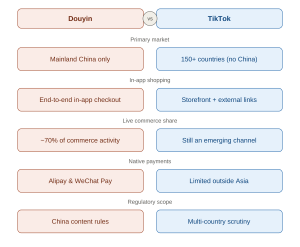
They look the same. The same parent company owns both. They are both short-form video platforms that have reshaped how people discover content and products. But Douyin and TikTok are not the same platform—and for international brands shaping their China strategy, the differences are not cosmetic. They are fundamental.
This guide explains what separates Douyin from TikTok, why that gap matters more now than ever, and what international brands should understand before allocating a single dollar of budget to either platform.
Same Parent, Completely Different Platforms
ByteDance, a Beijing-based technology company, created both Douyin and TikTok. But they operate as entirely separate applications, with separate codebases, user databases, payment systems, and regulatory environments.
Douyin launched in China in September 2016. It is primarily designed for mainland China’s content, regulatory, and commerce ecosystem. It operates under Chinese law, integrates with Chinese payment infrastructure, and is subject to the regulatory oversight of Chinese authorities.
TikTok launched internationally in 2017 and has since grown to over 1 billion users across 150+ countries. It is the global-facing product — the version non-Chinese users interact with. It operates under the laws of the countries where it functions and faces entirely different regulatory pressures (including ongoing scrutiny from US legislators that drove the TikTok ban debates of 2024–2025).
The key point for brands: content, users, data, and commerce infrastructure do not cross between them. A video that performs well on TikTok in the United States will not automatically appear on Douyin in China. A customer who purchases through TikTok Shop in the UK is not the same customer as one who buys on Douyin’s marketplace in Chengdu. These are parallel universes that share a design language but not much else.
Douyin’s E-Commerce Stack: A Full Ecosystem
Douyin has become one of the world’s most sophisticated commerce platforms. This is not an accident — it reflects ByteDance’s deliberate, multi-year effort to build a complete end-to-end commercial infrastructure inside a short-video app.
Brands and merchants on Douyin operate through Douyin Shop — a native storefront experience fully integrated within the app. When a user watches a product video, a shopping bag icon appears. They tap it, browse the product listing, check out, and pay — all without leaving the application. No redirect, no cart abandonment from a platform switch, and no friction from third-party payment integrations.
Douyin Pay
Douyin keeps much of the shopping journey inside the app, while supporting multiple payment providers, including Douyin Pay and third-party payment services. This payment loop enables sophisticated retargeting, loyalty mechanics, and purchase attribution.
Douyin Mall
Beyond individual seller storefronts, Douyin Mall functions as a curated marketplace within the app — similar in concept to a department store inside a social platform. Users can browse categories, discover promoted brands, and access official brand stores from a single entry point.
Live commerce at scale
Douyin’s livestream commerce is the most developed in the world. Approximately 40% or more of Douyin’s total GMV flows through live commerce — in-app video streams where hosts demonstrate products, answer questions in real time, and drive immediate purchases through time-limited offers.
This is not a Western-style Instagram Live. Douyin live commerce is highly professionalized. Top hosts manage production teams, work with logistics partners to ensure same-day delivery promises, and run sessions that can last 4–8 hours. The platform subsidizes both hosts and consumers to participate — through traffic allocation, discount mechanisms, and fulfillment support.
Search as a discovery channel
Chinese consumers increasingly use Douyin the way Western consumers use Google. When a user wants to know what running shoes are currently popular, whether a restaurant in their neighborhood is worth visiting, or which air purifier to buy — they search on Douyin. This search behavior creates an SEO layer that brands on the platform must actively manage, just as they would on a traditional search engine.
O2O (Online-to-Offline) commerce
Douyin has aggressively expanded into local services. Users can book restaurant reservations, purchase hotel stays, access spa and wellness services, and order food delivery — all within the app. For brands with physical retail presence in China, this O2O layer represents a significant opportunity to drive foot traffic through the platform’s existing user engagement.
Ocean Engine
Ocean Engine is ByteDance’s advertising platform for Douyin (and its associated properties). It offers sophisticated audience targeting using Douyin’s rich behavioral data — viewing history, purchase history, search queries, location, and demographic signals. For brands running paid campaigns on Douyin, Ocean Engine is the primary tool.
Why Local Douyin Expertise Matters
Navigating Douyin can be more complex than copying and pasting a strategy from another social network like TikTok. Up2China provides international brands with five-star DP assistance, helping them turn Douyin’s complex commerce ecosystem into an accessible path to market and growth.
TikTok Shop: The Commerce Challenger
TikTok Shop is TikTok’s commerce infrastructure — and it is growing fast, but it is not Douyin.
Where it operates
TikTok Shop launched in the UK in 2021, expanded to Southeast Asia, and opened in the United States in 2023. As of 2026, it operates in a growing but still limited number of markets, primarily in Asia and the English-speaking West.
In-app checkout
TikTok Shop offers native checkout — users can purchase without leaving the app in markets where TikTok Shop is live. This is a meaningful improvement over TikTok’s previous model, which relied on bio links and redirects to external websites.
The affiliate creator model
TikTok Shop’s strongest differentiator is its affiliate creator program. Creators can earn commissions by promoting products to their audiences. This has driven a significant wave of organic-feeling product promotion on TikTok — particularly in FMCG, beauty, and apparel categories — that has outperformed traditional paid advertising for many brands.
What TikTok Shop does well
Fast-moving consumer goods: beauty, personal care, food and beverage, household essentials
Price-competitive products that sell on impulse
Brands willing to collaborate with mid-tier creators at scale
Markets where social commerce adoption is still growing (the first-mover advantage is real)
Where TikTok Shop falls short (relative to Douyin)
Commerce infrastructure is less mature: payment options, return logistics, and seller tools are still catching up
Live commerce has not achieved the same commercial penetration in Western markets that Douyin has achieved in China — Western consumers are not yet habituated to purchasing during live streams
GMV is a fraction of Douyin’s at a comparable stage of development
Regulatory uncertainty (particularly in the US) adds operational risk
Livestream Commerce: Why It Works in China and Struggles Elsewhere
The gap between Douyin’s live commerce dominance and TikTok Shop’s live commerce underperformance is perhaps the starkest illustration of how different these platforms are in practice.
In China, live commerce works because of a set of reinforcing conditions:
– Consumer trust: Years of watching reliable hosts fulfill same-day delivery promises have built deep trust in the model
– Cultural familiarity: The “teleshopping” format has deep roots in Chinese consumer culture, and Douyin’s live commerce is its modern evolution
– Platform subsidies: ByteDance has invested heavily in subsidizing both the supply side (logistics cost reductions for sellers) and the demand side (coupons and promotional credits for buyers)
– Professional hosts: China’s live commerce ecosystem has developed a professional class of hosts — some comparable to celebrities — who manage production-grade studios and drive billions in annual GMV
In Western markets, these conditions do not yet exist. Consumers are less accustomed to purchasing during video streams. The fulfillment infrastructure is different. The trust baseline is lower. Live commerce on TikTok in the US and UK is growing, but it requires a longer consumer education curve.
For international brands evaluating their options: if you are targeting China, live commerce on Douyin is not optional — it is the primary conversion mechanism for consumer brands on the platform. If you are targeting Western markets via TikTok, live commerce can be part of your toolkit but should not be the centerpiece of your strategy yet.
What This Means for International Brands: Three Scenarios
Scenario 1: You want to sell to Chinese consumers
Douyin is a primary channel consideration. If you are already selling on Tmall Global, Douyin is the natural next step — it is how you build brand awareness and drive consumers into your cross-border store. The two platforms are complementary, not substitutes.
The practical entry point is typically a Douyin brand account with a content and KOL strategy, followed by a Douyin Shop (which requires a Chinese entity or a local operational partner). Alternatively, brands can link Douyin content to their Tmall Global store during the initial phase.
Key requirement: your content must be in Chinese, reflect Chinese consumer cultural sensibilities, and ideally feature Chinese creators or local faces. Global creative assets rarely perform without adaptation.
Scenario 2: You want to reach Chinese consumers outside China (diaspora or international students)
TikTok is the channel for this use case. The Chinese diaspora in the US, UK, Australia, Canada, and Southeast Asia does not use Douyin. They use TikTok. If your brand targets this audience—Asian-American consumers, international students, or Chinese travelers in Western markets—TikTok is your access point.
Scenario 3: You are a Chinese brand entering Western markets
TikTok Shop is one of the most cost-effective international launch channels available to Chinese brands right now. The platform’s creator-affiliate ecosystem, combined with the competitive logistics capabilities Chinese DTC brands already have, creates a structural advantage. Several Chinese consumer brands have used TikTok Shop to achieve eight-figure annual revenues in the US market within 18 months of launch.
Best Practices for Each Platform
For Douyin
Localize completely. Content that was not created for Chinese audiences will not perform for Chinese audiences. Partner with local creators, adapt your brand voice for Chinese platform conventions, and invest in Mandarin-language customer service.
Lead with live commerce. The platform’s algorithm prioritizes content that drives commercial outcomes. Brands that invest in a live commerce program—whether through in-house hosts or a Douyin-certified top-tier host partnership—see dramatically stronger commercial performance than brands that focus solely on short-form video content.
Seed with KOC content first. Before activating large-budget KOL campaigns, build a base of authentic user reviews and KOC content. This mirrors the Xiaohongshu strategy: organic credibility before paid reach.
Use Ocean Engine strategically. Paid promotion on Douyin is highly effective for retargeting users who have engaged with your content or visited your store. The platform’s purchase intent signals are among the richest available in digital advertising.
For TikTok
Activate the affiliate creator ecosystem. TikTok Shop’s highest-ROI activation is finding mid-tier creators (50K–500K followers) in your category who are willing to promote on affiliate terms. The economics work better than traditional influencer fees for most brands.
Prioritize trend responsiveness. TikTok’s algorithm rewards timeliness. Brands that can produce content that engages with trending sounds, formats, or conversations — quickly — consistently outperform brands with polished but slow creative pipelines.
Start with products that are native to the format. Products that are visually demonstrable, produce a satisfying before-and-after, or can be shown in use in a 30-second clip perform disproportionately well on TikTok Shop. Complex, high-consideration purchases (B2B software, luxury watches, property) are a harder sell on the platform.
The Bigger Picture: Two Platforms, Two Market Opportunities
Don’t see Douyin and TikTok as competitors for your budget. They address fundamentally different market opportunities:
Douyin is your gateway to China’s domestic consumer market — the world’s largest by spending power in premium and consumer goods categories
TikTok is your channel for global social commerce — particularly for consumer brands that can leverage visual storytelling, creator partnerships, and the platform’s growing checkout infrastructure
The brands that will win across both resist the temptation to copy-paste strategies between them. Douyin rewards deep localization, commerce integration, and sustained investment in the Chinese market. TikTok rewards speed, creator collaboration, and responsiveness to trends.
Understanding the difference between these two platforms is not just a media planning question. It is the first step in understanding how digital commerce in Asia — and increasingly the world — actually works.
Tmall is Alibaba’s premium business-to-consumer (B2C) marketplace, where verified brands and authorized retailers sell directly to Chinese consumers through official storefronts. It works more like a curated shopping mall than an open bazaar: every seller is a registered business, and many are the brands themselves or their appointed distributors. For international companies, Tmall is often the main channel for building a legitimate, branded presence in mainland China.
Millions of Chinese shoppers use it to discover and buy from established brands, both domestic and foreign. Knowing what Tmall is, and how it differs from its sister platforms, is a foundational step for any brand weighing a China market entry.
The background: who owns Tmall and where it fits
Tmall (known in Chinese as Tianmao, or “sky cat”) was spun out of Taobao by Alibaba Group and set up as a standalone B2C platform. Tmall was separated from Taobao and launched under its own brand in 2012. Taobao is Alibaba’s consumer-to-consumer (C2C) marketplace, closer to an open market where individuals and small sellers list goods. Tmall was created for a different need: a trusted environment for official brand stores.
The distinction matters. On Taobao, buyers weigh seller ratings and watch for counterfeits. On Tmall, the expectation is that a storefront is run by the brand or an authorized partner. Opening a store requires business licenses, trademark documentation, and quality deposits. That verification is central to what Tmall offers in a market where authenticity concerns run high.
How Tmall works: key features foreign brands need to understand
A few features shape how Tmall operates and why brands treat it as a flagship channel rather than a simple listing site.
Verified official storefronts
Each brand runs a dedicated store, often called a flagship store, with its own branded design, product catalog, and customer service. Sellers must provide business and trademark documentation to qualify. That raises the barrier to entry, but it also signals legitimacy to shoppers.
Store types
Tmall generally distinguishes between a few storefront categories: flagship stores run by the brand owner, authorized or franchise stores run by licensed partners, and specialty stores that sell multiple authorized brands within a category. The type a brand qualifies for depends on its documentation and its relationship to the products sold.
Tmall Global for cross-border sellers
Tmall Global is a separate cross-border channel that lets overseas brands sell into China without a Chinese business entity or a local warehouse. Goods are usually shipped from abroad through bonded or direct international logistics. This lowers the barrier to entry for brands testing the market before committing to a full domestic operation.
Integrated ecosystem
Tmall connects to Alibaba’s wider infrastructure: Alipay for payments, Cainiao for logistics coordination, and a set of marketing and data tools. Major shopping festivals, most notably the November 11 “Singles’ Day” event, drive concentrated sales volume and are central to many brands’ annual planning.
Deposits and fees
Opening a Tmall store typically involves a security deposit, an annual service fee, and commission on sales, with specifics that vary by product category. Because these figures change and depend on the store type, brands should confirm current terms directly with Alibaba or an authorized service partner rather than relying on published estimates.
Why Tmall matters for foreign brands entering China
For an international brand, Tmall offers something that is hard to build independently: immediate access to a large base of shoppers who already trust the platform’s verification standards. Launching a standalone Chinese website and driving traffic to it is slow and expensive. A Tmall flagship store puts a brand where consumers are already searching and buying.
Even so, Tmall is competitive and operationally demanding. Success usually takes ongoing investment in store design, paid promotion within Alibaba’s ad ecosystem, Chinese customer service, and inventory planning around major sales events. This is a channel you have to resource, not a set-and-forget listing.
Related terms readers often confuse
Taobao: Alibaba’s C2C marketplace for individual and small sellers, broader and less curated than Tmall.
Tmall Global: The cross-border version of Tmall for overseas brands selling into China without a local entity.
JD.com (Jingdong): A major competing B2C platform, known for its self-operated logistics and its strength in electronics.
Alibaba.com: Alibaba’s international B2B wholesale platform, a different business from the consumer-facing Tmall.
If you are comparing channels, it is worth reading dedicated Tmall vs. JD.com and Tmall vs. Tmall Global breakdowns before you commit to a launch structure.
Deciding whether Tmall fits your China strategy
Tmall can be the right flagship channel for a foreign brand, or an expensive misstep if you enter without a clear plan for pricing, logistics, marketing, and localized service. The decision depends on your category, your margins, how ready your documentation is, and your appetite for ongoing operational investment.
If you are weighing whether Tmall fits your China strategy, the team at up2china works with international brands on market entry, cross-border e-commerce management, and digital marketing built for Chinese platforms. A short consultation is a sensible next step before you commit resources to a store launch.
Frequently Asked Questions
Is Tmall the same as Taobao?
No. Both are owned by Alibaba, but Taobao is a consumer-to-consumer marketplace open to individual sellers, while Tmall is a business-to-consumer platform restricted to verified brands and authorized retailers. Tmall’s verification requirements make it the more brand-controlled environment.
Can a foreign brand sell on Tmall without a company in China?
Yes, through Tmall Global, Alibaba’s cross-border channel. It lets overseas brands sell into China and ship from abroad without setting up a mainland Chinese legal entity. Requirements and logistics arrangements change over time, so confirm current terms before you plan a launch.
How much does it cost to open a Tmall store?
Costs usually include a refundable security deposit, an annual service fee, and sales commission, all of which vary by product category and store type. Because these figures are updated periodically, verify current pricing directly with Alibaba or an authorized service partner rather than relying on older published numbers.
Is Tmall better than JD.com for entering China?
Neither is universally better; it depends on your category, your logistics needs, and your target audience. Tmall offers broad reach and strong brand-store infrastructure, while JD.com is known for self-operated fulfillment and strength in categories like electronics. Many brands end up selling on both.
The major Chinese e-commerce platforms foreign brands should know are Tmall Global, JD Worldwide, Douyin (TikTok’s China app), Pinduoduo, Xiaohongshu (RED), and Kuaishou. Each reaches a different kind of shopper at a different price tier, and each uses its own selling model, so the right choice depends on your product category, your margins, and how much local operating support you have. This guide covers what each platform is, who it fits, and how to narrow the list.
China’s online retail market isn’t a single destination. It’s split across marketplace giants, social commerce apps, and discount platforms, each with its own onboarding rules, audience, and content style. Picking one is less about which is “biggest” and more about which matches how your customers already shop.
The main Chinese e-commerce platforms at a glance
Tmall and Tmall Global
Tmall is Alibaba’s B2C marketplace for branded goods, and Tmall Global is its cross-border arm, which lets overseas companies sell into China without a local legal entity. It’s built for brands that want a premium, official storefront and are willing to invest in running a flagship store. What sets it apart is trust: Chinese consumers treat a Tmall flagship store as a signal of authenticity, and that matters a lot for beauty, supplements, and mother-and-baby categories.
JD Worldwide
JD (Jingdong) is one of Alibaba’s largest direct competitors, known for its own logistics network and its reputation for authentic goods. JD Worldwide is the cross-border channel for foreign sellers. It works best for brands in electronics, appliances, and other categories where fast, reliable delivery and anti-counterfeit credibility drive the purchase. Its edge is self-operated fulfillment, which supports quick shipping in many Chinese cities.
Douyin (China’s TikTok)
Douyin is ByteDance’s short-video app, and its in-app store has become one of the fastest-growing sales channels in China. It suits brands with strong visual storytelling and products that sell well through live streaming and creator content. The appeal is discovery: shoppers aren’t searching for you, they’re finding you mid-scroll, which rewards entertaining content over catalog listings.
Pinduoduo
Pinduoduo built its base on group-buying and aggressive discounts, and it reaches deep into price-sensitive shoppers and lower-tier cities. It fits value-focused brands and high-volume, lower-margin products. Its signature is a team-purchase mechanic in which buyers recruit friends to unlock lower prices. That works well for scale and poorly for premium positioning.
Xiaohongshu (RED)
Xiaohongshu, often called RED or “Little Red Book,” is a lifestyle and product-discovery community that blends user reviews with commerce. It’s best for beauty, fashion, wellness, and travel brands aiming at younger, urban shoppers, most of them women. Sales here are driven by peer recommendation: purchases often follow detailed user “notes” rather than ads, so credibility is built through genuine reviews.
Kuaishou
Kuaishou is another major short-video and live-commerce platform, and it’s especially strong outside China’s largest cities. It suits brands comfortable with a more grassroots, host-led selling style and repeat-purchase categories like food, household goods, and apparel. Its strength is the tight, loyal bond between livestream hosts and their followers, which can drive strong conversion for the right products.
Comparison summary
Platform
Model
Best for
Shopper profile
Tmall Global
Cross-border B2C marketplace
Premium branded goods
Trust-driven, brand-conscious
JD Worldwide
Marketplace + self-logistics
Electronics, appliances
Values speed and authenticity
Douyin
Social/live commerce
Visual, impulse-friendly products
Content-discovery shoppers
Pinduoduo
Group-buy discount
Value, high-volume goods
Price-sensitive, lower-tier cities
Xiaohongshu
Community + commerce
Beauty, fashion, lifestyle
Young, urban, review-led
Kuaishou
Live commerce
Everyday repeat-purchase goods
Loyal, host-following audience
How to choose the right platform for your brand
Start with your category and margin. If you sell premium products where authenticity drives purchases, like cosmetics, health, or infant care, Tmall Global and JD Worldwide give you the official-store credibility Chinese shoppers look for. If your margins are thin and volume is the goal, Pinduoduo’s discount mechanics reach a wide, price-driven audience.
Next, weigh how your product sells. Items that benefit from demonstration, storytelling, or a host’s enthusiasm tend to perform on Douyin and Kuaishou, where content creates demand. Products that thrive on detailed reviews and peer trust, especially in beauty and lifestyle, fit Xiaohongshu’s community feel.
Then factor in operating capacity. A marketplace flagship store needs ongoing management: listings, customer service in Mandarin, promotions, and fulfillment. Social and live-commerce channels demand a steady stream of content and streaming. Be honest about whether you’ll run this in-house or need a local partner, because an under-resourced store performs worse than no store at all.
Finally, don’t assume you have to pick only one. Many foreign brands anchor on a flagship marketplace store for credibility while using a social platform to drive discovery and traffic. A common sequence is to establish trust on Tmall or JD first, then add Douyin or Xiaohongshu content once the storefront is stable.
Onboarding rules, category permissions, and deposit or commission structures differ by platform and can change, so confirm current requirements directly with each platform or a licensed local partner before committing. Cross-border import rules also vary by product type, so verify category eligibility for your specific goods.
Frequently asked questions
Do I need a Chinese company to sell on these platforms?
Not always. Cross-border channels like Tmall Global and JD Worldwide are designed for overseas sellers without a mainland China legal entity, though they have their own qualification and documentation requirements. The domestic versions of these platforms generally do require a local entity, so the right entry route depends on your setup.
Which platform is best for a brand just entering China?
There’s no single answer. It depends on your category, budget, and content capacity. Premium brands often begin with a cross-border marketplace store for credibility, while brands with strong visual content may test demand on a social platform first. Matching the platform to how your customers already shop matters more than platform size.
Can I sell on more than one platform at once?
Yes, and many brands do. A frequent approach pairs a marketplace flagship store for trust and transactions with a social or live-commerce presence for discovery. The main constraint is operating bandwidth, since each channel needs localized content and management.
How important is live streaming on Chinese e-commerce platforms?
It has become a significant sales driver, particularly on Douyin and Kuaishou, and increasingly across marketplaces too. For products that benefit from demonstration or a trusted host’s endorsement, live commerce can meaningfully lift conversion. Its value varies by category, so treat it as one tool rather than a requirement.
Narrowing the list
Choosing among Chinese e-commerce platforms comes down to fit: your category, your margins, your content resources, and how much local support you can bring. If you’d like help matching your brand to the right platform, or building and running the store once you’ve chosen, up2china offers market entry consulting and cross-border e-commerce management, plus digital marketing and social media support to grow the channels you pick. A short scoping conversation is a sensible next step before you commit budget to any single platform.
Tmall is Alibaba’s premium business-to-consumer (B2C) marketplace, where verified brands and authorized retailers sell directly to Chinese consumers through official storefronts. It works more like a curated shopping mall than an open bazaar: every seller is a registered business, and many are the brands themselves or their appointed distributors. For international companies, Tmall is often the main channel for building a legitimate, branded presence in mainland China.
Millions of Chinese shoppers use it to discover and buy from established domestic and foreign brands. Knowing what Tmall is, and how it differs from its sister platforms, is a foundational step for any brand weighing entry into the China market.
The background: who owns Tmall and where it fits
Tmall (known in Chinese as Tianmao, or “sky cat”) was spun out of Taobao by Alibaba Group and set up as a standalone B2C platform. Alibaba separated it from Taobao and launched it under its own brand in 2012, renaming it Tmall. Taobao is Alibaba’s consumer-to-consumer (C2C) marketplace, closer to an open market where individuals and small sellers list goods. Tmall was created for a different need: a trusted environment for official brand stores.
The distinction matters. On Taobao, buyers weigh seller ratings and watch for counterfeits. On Tmall, buyers expect a storefront to be run by the brand or an authorized partner. Opening a store requires business licenses, trademark documentation, and quality deposits. That verification is central to what Tmall offers in a market where authenticity concerns run high.
How Tmall works: key features foreign brands need to understand
A few features shape how Tmall operates and why brands treat it as a flagship channel rather than a simple listing site.
Verified official storefronts
Each brand runs a dedicated store, often called a flagship store, with its own branded design, product catalog, and customer service. Sellers must provide business and trademark documentation to qualify. That raises the barrier to entry, but it also signals legitimacy to shoppers.
Store types
Tmall generally distinguishes between a few storefront categories: flagship stores run by the brand owner, authorized or franchise stores run by licensed partners, and specialty stores that sell multiple authorized brands within a category. The type a brand qualifies for depends on its documentation and its relationship to the products sold.
Tmall Global for cross-border sellers
Tmall Global is a separate cross-border channel that lets overseas brands sell into China without a Chinese business entity or a local warehouse. Goods are usually shipped from abroad through bonded or direct international logistics. This lowers the barrier to entry for brands testing the market before committing to a full domestic operation.
Integrated ecosystem
Tmall connects to Alibaba’s wider infrastructure: Alipay for payments, Cainiao for logistics coordination, and a set of marketing and data tools. Major shopping festivals, most notably the November 11 “Singles’ Day” event, drive concentrated sales volume and are central to many brands’ annual planning.
Deposits and fees
Opening a Tmall store typically involves a security deposit, an annual service fee, and commission on sales, with specifics that vary by product category. Because these figures change and depend on the store type, brands should confirm current terms directly with Alibaba or an authorized service partner rather than relying on published estimates.
Why Tmall matters for foreign brands entering China
For an international brand, Tmall offers something that is hard to build independently: immediate access to a large base of shoppers who already trust the platform’s verification standards. Launching a standalone Chinese website and driving traffic to it is slow and expensive. A Tmall flagship store puts a brand where consumers are already searching and buying.
The platform also signals credibility. A verified flagship store tells Chinese consumers the brand is officially present and its products are authentic, which reassures buyers in categories prone to counterfeiting, such as cosmetics, supplements, and luxury goods. Tmall Global, in particular, lets brands test demand before investing in a domestic legal entity, local staff, and warehousing.
Even so, Tmall is competitive and operationally demanding. Success usually takes ongoing investment in store design, paid promotion within Alibaba’s ad ecosystem, Chinese customer service, and inventory planning around major sales events. This is a channel you have to resource, not a set-and-forget listing.
Related terms readers often confuse
Taobao: Alibaba’s C2C marketplace for individual and small sellers, broader and less curated than Tmall.
Tmall Global: The cross-border version of Tmall for overseas brands selling into China without a local entity.
JD.com (Jingdong): A major competing B2C platform, known for its self-operated logistics and its strength in electronics.
Alibaba.com: Alibaba’s international B2B wholesale platform, a different business from the consumer-facing Tmall.
If you are comparing channels, it is worth reading dedicated Tmall vs. JD.com and Tmall vs. Tmall Global breakdowns before you commit to a launch structure.
Deciding whether Tmall fits your China strategy
Tmall can be the right flagship channel for a foreign brand, or an expensive misstep if you enter without a clear plan for pricing, logistics, marketing, and localized service. The decision depends on your category, margins, documentation readiness, and appetite for ongoing operational investment.
No. Both are owned by Alibaba, but Taobao is a consumer-to-consumer marketplace open to individual sellers, while Tmall is a business-to-consumer platform restricted to verified brands and authorized retailers. Tmall’s verification requirements make it the more brand-controlled environment.
Can a foreign brand sell on Tmall without a company in China?
Yes, through Tmall Global, Alibaba’s cross-border channel. It lets overseas brands sell into China and ship from abroad without setting up a mainland Chinese legal entity. Requirements and logistics arrangements change over time, so confirm current terms before you plan a launch.
How much does it cost to open a Tmall store?
Costs usually include a refundable security deposit, an annual service fee, and sales commission, all of which vary by product category and store type. Because these figures are updated periodically, verify current pricing directly with Alibaba or an authorized service partner rather than relying on older published numbers.
Is Tmall better than JD.com for entering China?
Neither is universally better; it depends on your category, your logistics needs, and your target audience. Tmall offers broad reach and strong brand-store infrastructure, while JD.com is known for self-operated fulfillment and strength in categories like electronics. Many brands sell on both.